What Is Workforce Housing? A Complete Guide
 ADU Housing
 July 28, 2026
In this Article
Summary:
- Workforce housing provides attainable homes for middle-income workers who may not qualify for affordable housing but struggle with market-rate housing costs.
- It supports essential professionals such as teachers, nurses, first responders, skilled tradespeople, and service workers.
- Workforce housing programs are developed through public-private partnerships, government initiatives, employers, and nonprofit organizations.
- Modular workforce housing accelerates project delivery while improving quality, durability, and long-term cost efficiency.
- Durable galvanized steel-framed modular construction helps developers deliver scalable workforce housing faster with reduced maintenance and predictable timelines.
Housing affordability continues to challenge communities across the United States. As home prices and rental costs rise, many essential workers struggle to find housing close to their workplaces. This growing gap has made workforce housing a major focus for developers, municipalities, employers, and policymakers looking for practical, long-term housing solutions.
But what is workforce housing, and why has it become such an important part of today’s housing conversation?
This guide explains the workforce housing meaning, who it serves, how a workforce housing program works, and why modular construction is helping accelerate workforce housing development across the country.
What Is Workforce Housing?
The workforce housing definition refers to housing designed for middle-income households who earn too much to qualify for traditional affordable housing but often cannot afford market-rate homes in the communities where they work.
When people ask, what does workforce housing mean, the answer is simple: it provides attainable housing for the “missing middle” working individuals and families who keep communities running but face increasing housing costs.
Typically, workforce housing serves households earning between 60% and 120% of the Area Median Income (AMI), although eligibility varies by location and program.
Workforce Housing Meaning Explained
The workforce housing meaning goes beyond simply providing lower-cost homes. It focuses on helping essential workers live closer to their jobs while supporting stable communities and local economies.
Rather than replacing affordable housing, workforce housing fills the gap between subsidized housing and expensive market-rate developments, creating more balanced and accessible housing options.
Why Workforce Housing Is More Important Than Ever
Rising Housing Costs
Housing prices have increased significantly over the past decade, making homeownership and even renting increasingly difficult for middle-income workers. Many employees now face long commutes because they cannot afford housing near employment centers.
Expanding affordable workforce housing helps address these affordability challenges while supporting healthier, more connected communities.
Labor Shortages Across Essential Industries
Many industries rely on employees who are struggling to find nearby housing, including:
- Healthcare
- Education
- Public safety
- Manufacturing
- Hospitality
- Municipal services
When housing becomes inaccessible, employers often face recruitment challenges and higher staff turnover.
Economic Benefits for Communities
Well-planned workforce housing offers benefits that extend beyond residents. Communities often experience:
- Shorter commute times
- Reduced traffic congestion
- Stronger local businesses
- Better employee retention
- More stable neighborhoods
These advantages contribute to long-term economic growth while improving quality of life.
Who Qualifies for Workforce Housing?
Income Eligibility
One of the most common questions is who qualifies for workforce housing.
Most workforce housing programs target households earning between 60% and 120% of the Area Median Income (AMI). However, qualification criteria differ depending on local housing markets and government guidelines.
Common Occupations
Residents may include:
- Teachers
- Nurses
- Police officers
- Firefighters
- Skilled tradespeople
- Municipal employees
- Hospitality workers
- Service industry professionals
These individuals provide essential community services but may struggle to afford nearby housing due to rising costs.
Who Does Not Typically Qualify?
In general:
- Very low-income households usually qualify for traditional affordable housing programs.
- Higher-income households generally have access to market-rate housing without assistance.
Workforce housing is specifically designed for middle-income earners who fall between these two groups.
Workforce Housing vs Affordable Housing
Although the terms are often used interchangeably, they are not the same.
| Workforce Housing | Affordable Housing |
|---|---|
| Serves middle-income households | Serves low-income households |
| Usually 60–120% AMI | Often below 60% AMI |
| May involve employer or public-private partnerships | Often supported through government subsidies |
| Focuses on essential workers | Focuses on households with the greatest financial need |
Understanding this distinction helps clarify the role of workforce housing within broader housing strategies.
What Is a Workforce Housing Program?
A workforce housing program is an initiative designed to develop or preserve housing for middle-income workers.
These programs are commonly supported through:
- Public-private partnerships
- Local or state government funding
- Employer-assisted housing initiatives
- Nonprofit organizations
- Housing authorities
Common workforce housing models include:
- Rental communities
- Mixed-income developments
- Employer-supported housing
- Municipal housing initiatives
The goal is to increase housing availability while supporting local employment and economic development.
Workforce Housing Development: How Projects Are Built
Traditional Construction
Traditional construction methods often involve lengthy timelines due to:
- Skilled labor shortages
- Weather delays
- Material supply issues
- Complex trade coordination
These challenges can slow the delivery of much-needed housing.
Modular Workforce Housing Development
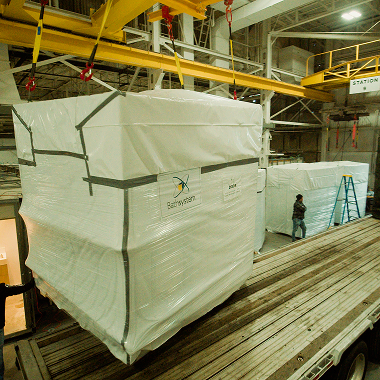
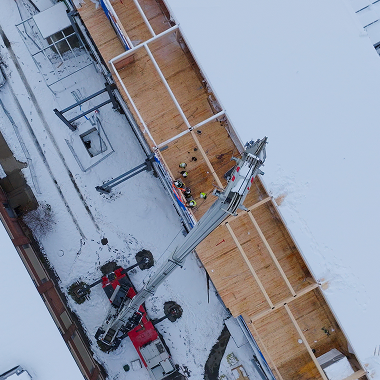
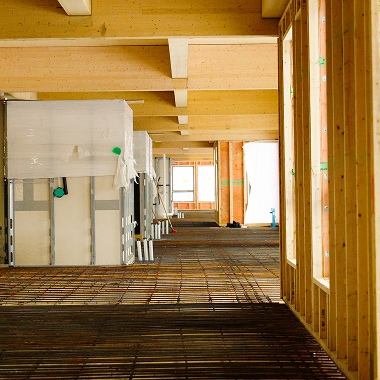
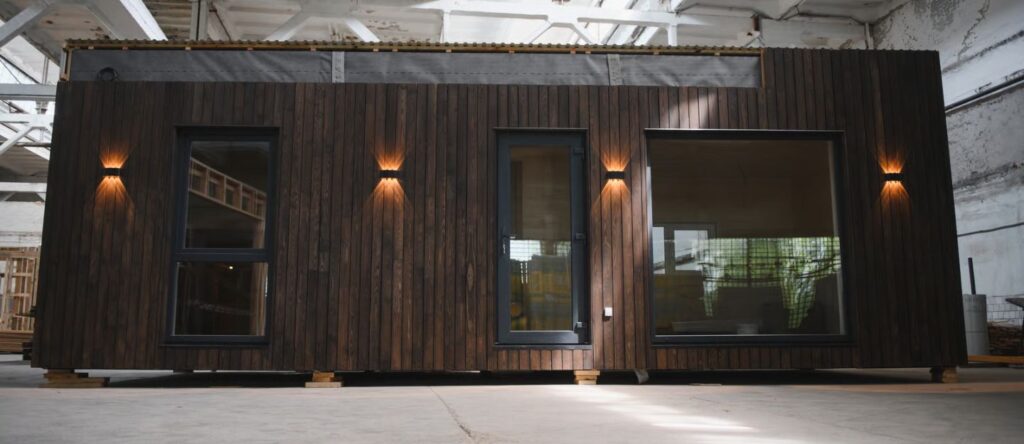
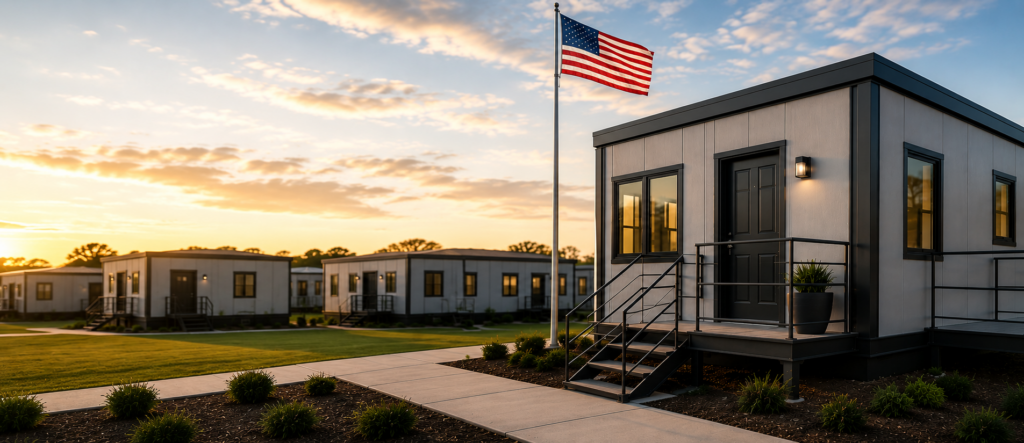
Modular construction is becoming an increasingly popular solution for workforce housing development.
Factory-built modular housing offers several advantages:
- Faster project completion
- Improved quality control
- Reduced weather-related delays
- Lower long-term maintenance
- Durable galvanized steel framing
- Greater schedule predictability
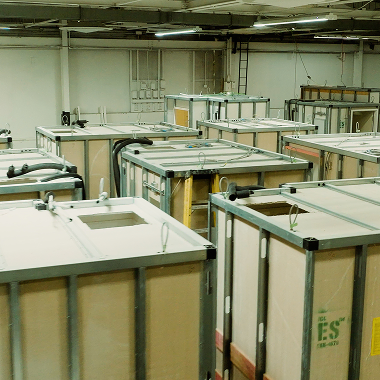
By completing much of the construction in a controlled manufacturing environment, developers can deliver housing more efficiently while maintaining consistent quality.
Benefits of Workforce Housing Development
For Communities
Workforce housing helps communities by:
- Increasing housing availability
- Supporting local businesses
- Reducing commuting distances
- Strengthening neighborhood stability
For Employers
Employers benefit through:
- Improved recruitment
- Better employee retention
- Reduced staffing shortages
- Increased workforce stability
For Developers
Developers gain advantages such as:
- Faster project delivery
- More predictable construction schedules
- Scalable housing solutions
- Improved long-term asset performance
Where Workforce Housing Is Most Needed
Demand for workforce housing continues to grow across many sectors, including:
- Urban areas with high housing costs
- Rural communities facing workforce shortages
- Industrial and manufacturing regions
- Healthcare campuses
- University communities
- Infrastructure and energy projects
These locations often require housing that can be delivered quickly while remaining durable and cost-effective.
Challenges Facing Workforce Housing
Despite growing demand, several obstacles remain.
Key challenges include:
- Limited land availability
- Rising construction costs
- Zoning and permitting requirements
- Community opposition to new developments
- Funding limitations
Addressing these issues requires collaboration between governments, developers, employers, and housing organizations.
How Modular Construction Is Transforming Workforce Housing
Modular construction is helping reshape workforce housing by making projects faster, more predictable, and easier to scale.
Key advantages include:
- Faster occupancy
- Factory-controlled quality
- Reduced on-site labor
- Durable galvanized steel framing
- Scalable multi-unit deployment
These benefits allow developers to respond more efficiently to growing housing needs while improving lifecycle performance.
Future Trends in Workforce Housing
The future of workforce housing is expected to include:
- Increased government investment
- Stronger employer partnerships
- Greater focus on sustainable construction
- Continued growth of modular housing
- Expansion of mixed-income communities
As housing affordability remains a national priority, workforce housing will continue to play an important role in supporting both economic growth and community resilience.
Building Stronger Communities Through Workforce Housing
Understanding what is workforce housing is essential as communities work to address housing shortages and rising living costs. By providing attainable homes for middle-income workers, workforce housing supports employers, strengthens local economies, and improves quality of life.
As demand grows, modular construction is helping transform workforce housing development by delivering faster, more durable, and scalable housing solutions. Companies like Bathsystem USA support these efforts through galvanized steel-framed modular housing systems that help developers, municipalities, and organizations complete workforce housing projects with greater speed, consistency, and long-term value.
FAQs
What is workforce housing?

Workforce housing refers to housing designed for middle-income workers who earn too much to qualify for traditional affordable housing but may not be able to afford market-rate homes near their workplaces.
What does workforce housing mean?
The workforce housing meaning centers on providing attainable housing for essential workers such as teachers, nurses, firefighters, police officers, and other middle-income professionals.
Who qualifies for workforce housing?
Eligibility typically includes households earning between 60% and 120% of the Area Median Income (AMI), although requirements vary by location and housing program.
What is a workforce housing program?
A workforce housing program is a public, private, or nonprofit initiative that develops housing specifically for middle-income workers through rental communities, mixed-income developments, employer-assisted housing, or municipal partnerships.
How is workforce housing different from affordable housing?
Affordable housing primarily serves lower-income households, while workforce housing focuses on middle-income workers who do not qualify for subsidized housing but still face affordability challenges in today’s housing market.

Written By
Riccardo SciontiRicardo Scionti is the CEO of Bath System America (Bathsystem USA), a U.S.-based company built on European engineering and manufacturing expertise. He leads the growth of prefabricated bathroom and kitchen pod solutions across the United States, serving the hospitality, healthcare, and multifamily markets. With more than eight years of experience in the U.S. modular construction industry, Ricardo works closely with architects, developers, and general contractors to ensure every project is executed successfully. Supported by a highly skilled professional team, he is actively involved in every stage of the process, from design coordination to manufacturing and on-site integration—ensuring the highest standards of quality, precision, and speed to market. Through these blogs, Ricardo shares practical insights and real-world expertise to help shape the future of industrialized construction.
Related Blogs
Have a project in mind? We'd love to chat!
We’re redefining how our industrialized construction of modular bathroom pods and kitchen pods is delivered across the nation—with precision, reliability, and innovation built into every project.
Let’s build something exceptional together.