ADU Rules & Regulations in California Explained: What Property Owners Need to Know
 ADU Housing
 April 24, 2026
In this Article
Summary:
- Explains what ADUs are and why they matter in California
- Covers key laws and recent updates simplifying ADU development
- Breaks down basic rules (size, zoning, permits, parking)
- Highlights benefits, challenges, and compliance tips
- Helps property owners plan ADUs with clarity and confidence
It’s not easy to find space in California today, with rent going up and up, homes getting smaller and smaller, and people seeking more flexible living arrangements. But for those who own homes, one key question is simple: How do I add more space to my existing property?
The answer is simple: Build an ADU.
An Accessory Dwelling Unit is a small, separate living unit that is placed on the same lot as your existing home. ADUs have become more popular in recent years, largely because the California government has made it easier to build them.
Why ADU?
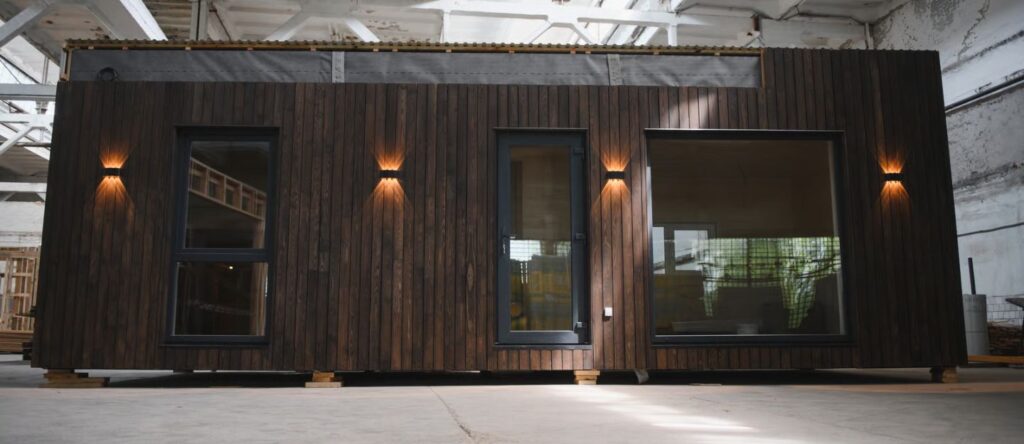
An ADU (Accessory Dwelling Unit) is a smaller, permanent residence on the same lot as your main house. It doesn’t need to be a full‑size home, just a self‑contained unit with basic living space.
Common types:
- Detached ADUs – separate buildings in the yard.
- Attached ADUs – connected to the main house.
- Garage conversions – turning an existing garage into a living space.
- Junior ADUs (JADUs) – small units carved out of the main house, usually under 500 sq ft.
Typical uses:
- Rental income to help cover the mortgage.
- Multigenerational living for parents, kids, or extended family.
- A guest house or home office that feels separate from the main home.
Overview of California Housing Laws for ADUs
California has made efforts to boost housing production through its accessory dwelling unit program. The state uses California Government Code sections to establish binding regulations that must be followed by all cities and counties in California. The state establishes minimum requirements through state law while allowing local authorities to manage their zoning and design and permitting processes.
Key ADU Law Changes in California (2024 Updates)
1. AB 1033: Separate Sale of ADUs
- Allows ADUs to be sold separately from the main house in some cases.
- Local cities must choose whether to adopt this rule.
- Effect: opens new investment options and lets owners treat the ADU more like a standalone asset in the long term.
2. AB 976: No Owner Occupancy Requirement
- Removes the owner‑occupancy rule permanently.
- You don’t need to live in the main house when you build an ADU.
- Owners can:
- Build ADUs purely for rental income.
- Use both the main home and the ADU as rentals.
- This is a big boost for real estate investors and short‑ or long‑term rental setups.
3. AB 1332: Pre‑Approved ADU Plans
- Cities must offer pre‑approved ADU designs by 2025.
- Benefits:
- Faster approvals (often around 30 days).
- Lower design costs since layouts are already vetted.
- Less friction with the permit process.
These changes are part of the larger California housing laws ADU updates meant to speed up construction and reduce red tape.
State vs. Local ADU Regulations: What You Must Know
State law sets the big rules. Local governments, however, still control:
- Zoning specifics (which lots can have ADUs).
- Design standards (how the building looks).
- Permit processes and timelines.
The key rule: state law overrides overly restrictive local rules. If your city tries to block ADUs in a way that contradicts state law, that block is not allowed. That’s why it pays to check both state rules and your city’s ADU guidelines before you start.
General ADU Requirements in California
Zoning & Property Eligibility
- ADUs are allowed in most residential zones.
- Eligible for single‑family and many multi‑family properties.
Size & Space Limits
- Detached ADUs: often up to about 800–1,200 sq ft, depending on the city.
- Junior ADUs (JADUs): usually up to 500 sq ft, built inside the main home.
Setbacks & Height
- Many areas require a minimum 4‑foot side and rear setbacks.
- Height limits change by city and by type (attached vs. detached), often between 16–25 feet.
Parking Requirements
- Often waived or reduced:
- In transit areas.
- For garage conversions or interior‑only ADUs.
Permits & Approval Timelines
- The standard approval timeline is around 60 days.
- With pre‑approved ADU plans, many cities get much closer to 30‑day reviews.
HOA Rules and ADUs
HOAs cannot completely ban ADUs thanks to state law. They must follow:
- HOA governing documents.
- The Davis‑Stirling Act.
Even so, some HOAs may require:
- Extra approvals.
- Design rules that still fit state standards.
Always review your HOA’s rules before you finalize plans.
Benefits of ADU‑Friendly California Laws
For Homeowners
- Passive rental income from a long‑term tenant.
- Higher property value because you’re adding a second unit to the lot.
For Developers & Investors
- New revenue streams from rentals or short‑term stays.
- Higher‑density options on existing lots.
For Communities
- Helps ease the housing shortage.
- Supports affordable housing goals in many areas.
Common Challenges When Navigating ADU Laws
- Confusion between state and local rules, what the city allows versus what the state guarantees.
- HOA pushback or unclear design restrictions.
- Permit delays if you don’t use pre‑approved plans.
- Design issues that don’t fit ADU‑specific standards.
Best Practices for Staying Compliant
- Always verify local city regulations in addition to state law.
- Work with:
- Architects or ADU‑focused designers.
- Contractors who know ADU rules.
- Legal experts, if you’re dealing with tricky HOA or zoning questions.
- Consider modular or prefabricated ADU solutions (like those from Bathsystem USA) to speed up the build and keep designs within code.
- Plan for long‑term use, think about how you’ll use the unit in 5, 10, or 20 years.
Future of ADU Regulations in California
- More cities are expected to adopt AB 1033, letting ADUs be sold separately.
- Pre‑approved plan programs will likely expand and get faster.
- The state will keep pushing affordable housing targets and streamlined permitting.
All of this pushes toward easier, more predictable ADU development over time.
Navigating California ADU Laws with Confidence
ADUs are no longer a niche idea. They’re a mainstream housing solution in California. Understanding California housing laws, ADU helps you avoid costly mistakes, unwanted delays, and surprise permit denials.
With the right planning and an eye toward long‑term value, ADUs can be a smart way to use your lot. For owners who want to simplify wet‑areas and bathroom layouts in their ADU, partnering with a systems‑driven team like Bathsystem USA can make the build smoother and more predictable.
Simplify ADU Development with Smarter Building Solutions.
Want to turn your ADU idea into a compliant, cost‑effective reality without getting lost in the rules? Work with a team that knows California housing laws, ADU, and how to build within them.
Get in touch today to review your lot and see what’s possible.
FAQs
Which new California laws regulate ADU construction in residential areas?

The current regulations, which make ADUs simpler to construct and operate, now include three new laws: AB 1033, which allows separate sales; AB 976, which eliminates the owner-occupancy requirement; and AB 1332, which provides pre-approved building plans.
Does my California property allow me to construct an ADU?
Most residential zones permit single-family homes and multiple-family homes to build ADUs, except that this requires checking city regulations.
Is property ownership necessary for ADU construction?
No. AB 976 has removed the need for property owners to live on their premises according to current California ADU regulations. You can build ADUs purely for rental income.
What is the typical time frame needed for ADU approval in California?
The standard plan approval process requires about 60 days, while many cities can complete pre-approved design approvals within 30 days.
Is it possible to sell an ADU as a separate property from the main house?
AB 1033 permits cities to sell ADUs as separate entities from main houses in certain areas.

Written By
Riccardo SciontiRicardo Scionti is the CEO of Bath System America (Bathsystem USA), a U.S.-based company built on European engineering and manufacturing expertise. He leads the growth of prefabricated bathroom and kitchen pod solutions across the United States, serving the hospitality, healthcare, and multifamily markets. With more than eight years of experience in the U.S. modular construction industry, Ricardo works closely with architects, developers, and general contractors to ensure every project is executed successfully. Supported by a highly skilled professional team, he is actively involved in every stage of the process, from design coordination to manufacturing and on-site integration—ensuring the highest standards of quality, precision, and speed to market. Through these blogs, Ricardo shares practical insights and real-world expertise to help shape the future of industrialized construction.
Related Blogs

Have a project in mind? We'd love to chat!
We’re redefining how our industrialized construction of modular bathroom pods and kitchen pods is delivered across the nation—with precision, reliability, and innovation built into every project.
Let’s build something exceptional together.