Why 40-Year Galvanized Steel Is Transforming Veteran and Homeless Housing Programs
 ADU Housing
 July 23, 2026
In this Article
Summary:
- Veteran housing and homeless housing programs need durable, low-maintenance buildings that perform for decades.
- Galvanized steel framing offers corrosion, fire, moisture, and pest resistance.
- Factory-built modular construction shortens project timelines and improves quality consistency.
- Long-life structural systems reduce lifecycle maintenance costs.
- Steel-framed modular ho
Across the United States, housing providers are under increasing pressure to deliver permanent, durable housing faster than ever before. Veteran housing organizations, nonprofit agencies, municipalities, and government-funded homeless housing programs are all facing the same challenge: providing quality housing that remains safe, affordable, and reliable for decades rather than years.
While speed of construction is important, long-term performance has become equally critical. Buildings designed for supportive housing often experience continuous occupancy, making durability a major consideration from the very beginning.
That is why galvanized steel-framed modular construction is becoming a preferred solution. Instead of relying on traditional wood framing, many housing developers are choosing engineered steel systems designed to resist corrosion, reduce maintenance, and provide structural stability for up to 40 years under normal service conditions.
What Is Homeless Housing?
Homeless housing refers to residential programs created to provide safe accommodation for individuals and families experiencing housing insecurity. These developments can include:
- Emergency shelter communities
- Transitional housing
- Permanent supportive housing
- Government-funded affordable housing
- Nonprofit-operated housing developments
Unlike temporary shelters, many modern homeless housing programs are designed to provide stable, long-term living environments that support recovery, employment, healthcare, and community integration.
Because these developments often operate continuously, building materials must withstand years of heavy daily use while requiring minimal maintenance.
Why Veteran Housing Demand Continues to Grow
Across many states, veteran housing has become a growing priority for local governments, nonprofit organizations, and housing authorities.
Many veterans require housing that is:
- Affordable
- Accessible
- Easy to maintain
- Quickly deployable
- Built for long-term occupancy
New veteran housing developments increasingly focus on creating permanent communities rather than temporary shelters. These projects require structural systems capable of supporting decades of reliable service while minimizing ongoing repair costs.
Why Building Materials Matter
Selecting the right structural material affects far more than the initial construction budget.
It influences:
- Maintenance expenses
- Resident safety
- Building lifespan
- Operational costs
- Long-term asset value
For organizations managing homeless housing programs or veteran housing communities, recurring repairs can consume funding that would otherwise support additional housing initiatives.
Choosing durable materials from the beginning helps reduce those long-term financial pressures.
The Limitations of Traditional Wood Construction
Wood has been used for residential construction for decades, but it presents several challenges for high-occupancy housing developments.
Over time, wood structures may experience:
- Moisture-related deterioration
- Warping and shrinkage
- Termite damage
- Mold concerns
- Increased maintenance requirements
For nonprofit organizations operating on fixed budgets, repeated maintenance can significantly increase lifecycle costs.
What Does 40-Year Galvanized Steel Mean?
Galvanized steel is structural steel coated with a protective layer of zinc during manufacturing.
Rather than allowing moisture and oxygen to attack the steel surface, the zinc coating forms a protective barrier that dramatically slows corrosion.
This protective process helps structural framing maintain its strength even in demanding environments.
When properly engineered and maintained, galvanized steel framing can provide decades of structural performance, making it particularly suitable for housing projects expected to serve communities for many years.
Why Steel Performs Better Over Time
Galvanized steel offers several advantages over conventional framing materials.
Corrosion Resistance
Protective zinc coatings shield structural components from rust caused by humidity, rain, and changing weather conditions.
Pest Resistance
Unlike timber, steel framing cannot be damaged by termites or wood-boring insects.
Fire Performance
Steel is non-combustible, helping improve building resilience and reducing fire-related structural risks.
Dimensional Stability
Steel does not twist, warp, shrink, or expand like wood, allowing walls, doors, and finishes to remain more consistent throughout the building’s life.
Why Modular Steel Construction Supports Homeless Housing Programs
Modern homeless housing developments require more than fast construction—they require repeatable quality.
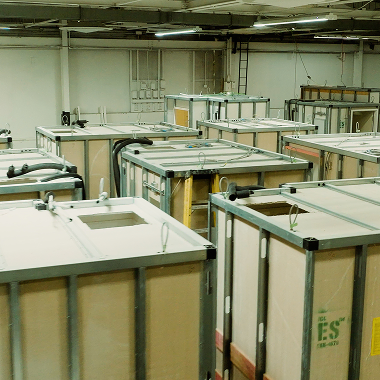
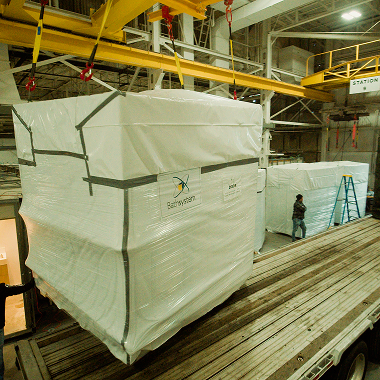
Factory-built modular construction allows much of the building process to occur inside controlled manufacturing facilities before units arrive on site.
This approach provides several advantages.
Faster Project Delivery
Off-site production allows site preparation and manufacturing to occur simultaneously, reducing overall project schedules.
Improved Quality Control
Controlled factory environments reduce weather-related delays and improve consistency across every housing unit.
Lower Long-Term Maintenance
Durable galvanized steel framing reduces structural deterioration, minimizing repairs throughout the building’s lifecycle.
Scalable Housing Production
Because units are manufactured using standardized engineering processes, large housing communities can be expanded efficiently while maintaining consistent construction quality.
Where Steel-Framed Modular Housing Performs Best
Galvanized steel-framed systems are increasingly being used across numerous housing applications.
Veteran Housing Communities
Permanent housing developments that prioritize durability, accessibility, and long-term occupancy.
Homeless Housing Programs
Supportive housing communities designed for permanent or transitional accommodation.
Government-Funded Housing
Projects requiring predictable construction quality, long service life, and efficient deployment.
Nonprofit Housing Developments
Organizations seeking durable buildings with reduced maintenance demands.
Emergency Housing Communities
Rapidly deployed modular housing supporting disaster recovery and emergency accommodation initiatives.
Steel-Framed Modular Housing vs Traditional Construction
| Factor | Steel-Framed Modular Housing | Traditional Site-Built Housing |
|---|---|---|
| Construction Environment | Factory controlled | Weather dependent |
| Structural Material | Galvanized steel framing | Primarily wood framing |
| Corrosion Resistance | High | Limited |
| Pest Resistance | Excellent | Vulnerable |
| Construction Speed | Faster | Longer |
| Quality Consistency | High | Varies by site |
| Long-Term Maintenance | Lower | Higher |
| Scalability | Excellent | Moderate |
What Developers Should Evaluate
Before selecting a structural system for veteran housing or homeless housing programs, project teams should evaluate several factors.
Expected Building Life
Long-term housing deserves structural systems designed for decades of service.
Environmental Conditions
Projects located in coastal, humid, or demanding climates benefit from corrosion-resistant materials.
Maintenance Resources
Lower maintenance requirements reduce operating costs over the building’s lifecycle.
Future Expansion
Modular steel construction allows housing developments to expand more efficiently as community needs evolve.
Funding Efficiency
Government-funded and nonprofit housing projects benefit from systems that maximize lifecycle value rather than simply reducing initial construction costs.
The Future of Veteran and Homeless Housing
Housing providers are increasingly shifting their focus from simply building faster to building smarter.
Long-term resilience, lower maintenance costs, and predictable building performance are becoming essential procurement priorities for public agencies and nonprofit organizations.
Factory-built modular construction supported by galvanized steel framing aligns with these goals by combining faster delivery with greater structural durability.
As veteran housing and homeless housing programs continue expanding nationwide, durable modular systems are expected to play an increasingly important role in delivering reliable housing solutions that remain functional for generations.
Conclusion
Housing developed for veterans and individuals experiencing homelessness must be designed with long-term performance in mind. Durable materials, predictable construction quality, and reduced maintenance all contribute to stronger housing programs and better use of public and nonprofit funding.
Galvanized steel-framed modular construction addresses many of the challenges associated with traditional building methods by delivering faster project completion, greater structural resilience, and lower lifecycle costs.
Bathsystem USA supports these evolving housing initiatives through precision-engineered modular systems featuring durable galvanized steel framing, helping government agencies, municipalities, and nonprofit organizations deliver scalable housing built to perform for decades.
FAQs
What is homeless housing?

Homeless housing includes emergency shelters, transitional housing, and permanent supportive housing designed to provide safe accommodation for individuals and families experiencing housing insecurity.
Why is galvanized steel used in veteran housing?
Galvanized steel provides corrosion resistance, fire performance, pest resistance, and long-term durability, making it well suited for permanent veteran housing developments.
How long can galvanized steel framing last?
Properly manufactured galvanized steel framing can provide structural performance for around 40 years or more under normal environmental conditions with appropriate maintenance.
Why is modular construction suitable for homeless housing programs?
Modular construction shortens project timelines, improves construction consistency, reduces on-site labor, and allows housing communities to scale more efficiently.
Why do nonprofit organizations choose steel-framed modular housing?
Steel-framed modular housing reduces long-term maintenance requirements, improves durability, and helps nonprofit organizations maximize the value of their housing investments over the building’s lifecycle.

Written By
Riccardo SciontiRicardo Scionti is the CEO of Bath System America (Bathsystem USA), a U.S.-based company built on European engineering and manufacturing expertise. He leads the growth of prefabricated bathroom and kitchen pod solutions across the United States, serving the hospitality, healthcare, and multifamily markets. With more than eight years of experience in the U.S. modular construction industry, Ricardo works closely with architects, developers, and general contractors to ensure every project is executed successfully. Supported by a highly skilled professional team, he is actively involved in every stage of the process, from design coordination to manufacturing and on-site integration—ensuring the highest standards of quality, precision, and speed to market. Through these blogs, Ricardo shares practical insights and real-world expertise to help shape the future of industrialized construction.
Related Blogs
Have a project in mind? We'd love to chat!
We’re redefining how our industrialized construction of modular bathroom pods and kitchen pods is delivered across the nation—with precision, reliability, and innovation built into every project.
Let’s build something exceptional together.