Emergency Housing Assistance in 2026: What’s Changing and What Fills the Gap
 ADU Housing
 August 10, 2026
In this Article
Summary
- Emergency housing demand is rising due to homelessness, natural disasters, and housing shortages.
- Traditional shelters often struggle with limited capacity, high costs, and slow construction timelines.
- Factory-built modular emergency housing offers faster deployment, durable construction, and scalable solutions.
- Modular shelter communities support municipalities, nonprofits, veterans’ organizations, and disaster recovery programs.
- Bathsystem USA delivers galvanized steel-framed modular housing designed for rapid emergency response and long-term performance.
Communities across the United States are facing increasing pressure to provide safe, temporary housing for people affected by disasters, homelessness, and economic hardship. Wildfires, hurricanes, floods, and rising housing costs continue to drive demand for emergency housing, while many existing assistance programs struggle to keep pace.
Although Emergency housing assistance remains an essential resource, limited shelter capacity and lengthy construction timelines often leave communities searching for faster solutions. As a result, many municipalities, nonprofit organizations, and government agencies are turning to modular construction to fill the gap.
What Is Emergency Housing?
Emergency Housing Definition
Emergency housing provides temporary accommodation for individuals and families who need immediate shelter because of a crisis. Unlike permanent housing, it is designed to offer safety and stability while long-term housing solutions are arranged.
An emergency housing shelter may consist of individual sleeping units, temporary communities, or modular housing designed for rapid occupancy.
Who Needs Emergency Housing?
Emergency housing serves many groups, including:
- Individuals experiencing homelessness
- Families displaced by natural disasters
- Veterans needing temporary accommodation
- Survivors of domestic violence
- People displaced by fires, floods, or other emergencies
Each situation requires housing that can be deployed quickly without sacrificing safety or durability.
How Emergency Housing Assistance Works
What Is Housing Assistance?
Emergency housing assistance includes programs funded by federal, state, local, and nonprofit organizations to help individuals access temporary shelter during a crisis.
Depending on the situation, assistance may include:
- Emergency shelters
- Hotel voucher programs
- Transitional housing
- Rental assistance
- Community-based housing initiatives
If you’re searching for emergency housing near me, local housing authorities, emergency management offices, and nonprofit organizations are often the best starting points.
What’s Changing in Emergency Housing in 2026?
Communities are rethinking how emergency housing is delivered.
Growing homelessness, climate-related disasters, and ongoing housing shortages have increased demand for faster and more flexible housing solutions. At the same time, governments and nonprofit organizations are investing more in modular shelter communities that can be deployed quickly and expanded as needs grow.
This shift is moving emergency housing beyond temporary tents and overcrowded shelters toward durable, factory-built solutions.
Why Traditional Emergency Housing Is Falling Short
Traditional construction often cannot respond quickly enough during emergencies.
Common challenges include:
- Limited shelter capacity
- Lengthy construction schedules
- Rising material and labor costs
- Skilled labor shortages
- Delayed disaster response
Read More: Prefab vs. Traditional Bathroom Units: Cost & Install Time for Multifamily
By the time conventional buildings are completed, communities may have already faced months of housing shortages.
What Fills the Gap? Modular Emergency Housing
Factory-built modular housing is helping communities respond more effectively during emergencies.
Key advantages include:
Factory-Built Construction
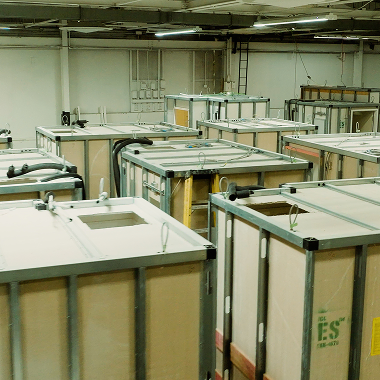
Units are manufactured off-site under controlled conditions, reducing construction delays.
Rapid Deployment
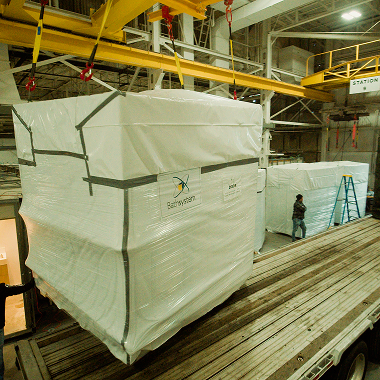
Buildings arrive substantially complete, allowing faster installation and occupancy.
Portable Shelter Communities
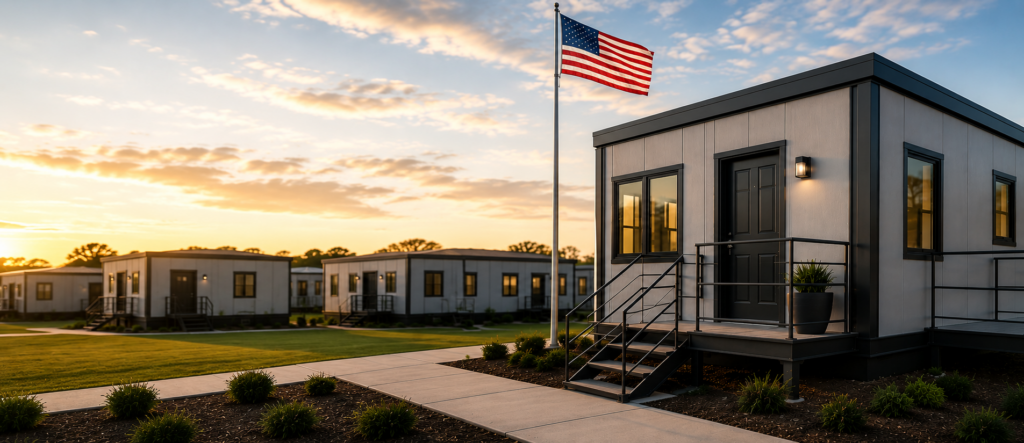
Individual units can be deployed alone or grouped into larger emergency housing communities.
Durable Galvanized Steel Construction
Steel-framed structures offer improved durability, moisture resistance, and long-term performance compared to many traditional building methods.
Washable, Easy-to-Sanitize Interiors
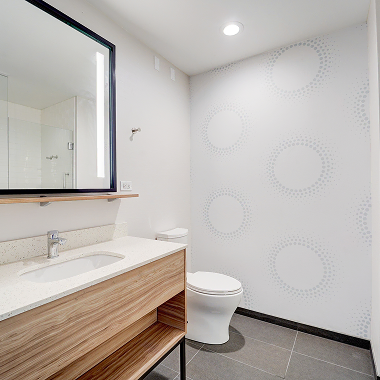
Many modular shelter systems feature washable wall surfaces and easy-to-sanitize interiors, helping simplify cleaning between occupants while supporting healthier shelter environments.
Scalable Deployment
Communities can expand housing capacity as demand changes without starting construction from scratch.
Where Emergency Housing Is Making the Biggest Impact
Modular emergency housing is supporting a wide range of programs, including:
- Homeless shelter communities
- Disaster recovery projects
- Veterans housing initiatives
- Transitional housing developments
- Municipal emergency response
- Nonprofit housing programs
Because these units are repeatable and portable, they provide flexibility for both planned and unexpected housing needs.
Emergency Housing Shelter vs Transitional Housing
Although the terms are sometimes confused, they serve different purposes.
Emergency housing shelters provide immediate, short-term accommodation during a crisis.
Transitional housing offers longer-term temporary housing combined with support services that help individuals move toward permanent housing.
Emergency shelters focus on immediate safety, while transitional housing supports recovery and long-term stability.
The Role of Emergency ADU Housing
An emerging solution is emergency ADU housing.
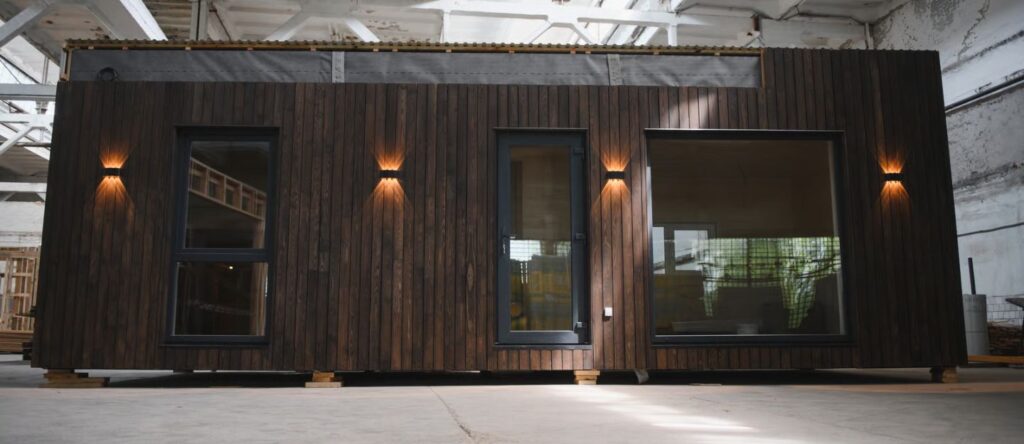
Unlike basic shelter units, modular ADUs provide self-contained living spaces with integrated utilities, making them suitable for longer temporary occupancy.
Common applications include:
- Disaster relief housing
- Emergency family accommodation
- Veterans housing programs
- Community recovery projects
Because they are factory-built, modular ADUs can be installed much faster than conventional housing.
Also, Read more: Why 40-Year Galvanized Steel Is Transforming Veteran and Homeless Housing Programs
What to Look for in an Emergency Housing Solution
When selecting an emergency housing system, organizations should evaluate:
- Speed of deployment
- Structural durability
- Low maintenance requirements
- Washable and easy-to-sanitize finishes
- Ability to scale across multiple sites
- Flexibility for different housing programs
These factors help ensure housing remains practical both during emergencies and throughout long-term use.
Why Modular Construction Is Reshaping Emergency Housing
Modular construction is changing how communities prepare for housing emergencies.
Factory-controlled production improves quality while reducing on-site work and weather-related delays. Galvanized steel framing provides dependable long-term performance, and repeatable unit designs make it easier to expand shelter communities when demand increases.
For municipalities and nonprofit organizations, modular housing offers a faster and more predictable path from planning to occupancy.
The Future of Emergency Housing Beyond 2026
Emergency housing is evolving beyond short-term crisis response.
Communities are investing in permanent emergency housing inventories, reusable modular shelter systems, and stronger public-private partnerships. These approaches improve disaster preparedness while creating housing that can be relocated or redeployed as future needs arise.
As housing challenges continue to evolve, durable modular systems will play an increasingly important role in delivering safe, flexible accommodation.
Closing the Emergency Housing Gap with Faster, Smarter Solutions
The demand for emergency housing continues to grow, but traditional construction often cannot respond quickly enough during times of crisis. Modular housing offers a practical alternative by combining rapid deployment, durable galvanized steel construction, and scalable community planning.
Bathsystem USA supports municipalities, nonprofit organizations, veterans housing programs, disaster recovery efforts, and emergency shelter communities with factory-built modular housing designed for faster occupancy, lower maintenance, and long-term reliability.
FAQs
What is emergency housing?

Emergency housing provides temporary accommodation for people displaced by disasters, homelessness, or other crisis situations until permanent housing is available.
How does modular emergency housing help during disasters?
Modular emergency housing is factory-built, rapidly deployable, durable, and scalable, allowing communities to provide safe shelter much faster than traditional construction methods
How can I find emergency housing near me?
You can contact your local housing authority, emergency management office, nonprofit organizations, or community service agencies that provide emergency housing assistance.
What is the difference between emergency housing and transitional housing?
Emergency housing offers immediate short-term shelter, while transitional housing provides longer-term accommodation with support services that help residents move toward permanent housing.
Who qualifies for emergency housing assistance?
Eligibility varies by program but typically includes individuals and families affected by homelessness, natural disasters, domestic violence, or other emergencies.

Written By
Riccardo SciontiRicardo Scionti is the CEO of Bath System America (Bathsystem USA), a U.S.-based company built on European engineering and manufacturing expertise. He leads the growth of prefabricated bathroom and kitchen pod solutions across the United States, serving the hospitality, healthcare, and multifamily markets. With more than eight years of experience in the U.S. modular construction industry, Ricardo works closely with architects, developers, and general contractors to ensure every project is executed successfully. Supported by a highly skilled professional team, he is actively involved in every stage of the process, from design coordination to manufacturing and on-site integration—ensuring the highest standards of quality, precision, and speed to market. Through these blogs, Ricardo shares practical insights and real-world expertise to help shape the future of industrialized construction.
Related Blogs
Have a project in mind? We'd love to chat!
We’re redefining how our industrialized construction of modular bathroom pods and kitchen pods is delivered across the nation—with precision, reliability, and innovation built into every project.
Let’s build something exceptional together.