Why Prefab Granny Pods Are Multifamily Goldmines
 ADU Housing
 July 8, 2026
In this Article
Summary:
- Prefab granny pods transform unused backyard space into income-producing assets.
- They support rental income, multigenerational living, and long-term property value.
- Faster installation and predictable costs make them attractive alternatives to traditional construction.
- Demand is rising as more states expand ADU-friendly regulations.
- For homeowners and investors alike, granny pods offer flexibility with strong long-term potential.
Drive through almost any suburban neighborhood today, and you’ll notice something interesting. Large backyards that once sat empty are starting to serve a different purpose. Instead of remaining unused, many are becoming valuable living spaces that generate income, house family members, or solve local housing shortages.
That shift has helped bring prefab granny pods into the spotlight.
Originally associated with housing aging parents, granny pods have evolved into much more than a senior living solution. Today, they’re being used as rental units, guest accommodations, workforce housing, and flexible residential spaces that allow homeowners to maximize their property’s potential.
For investors looking beyond traditional multifamily developments, a well-designed backyard unit can create an additional revenue stream without purchasing another property. That’s why prefab granny pods are increasingly being viewed as small-footprint investments with long-term returns.
What Are Prefab Granny Pods?
If you’ve ever wondered what are granny pods, the answer is fairly straightforward.
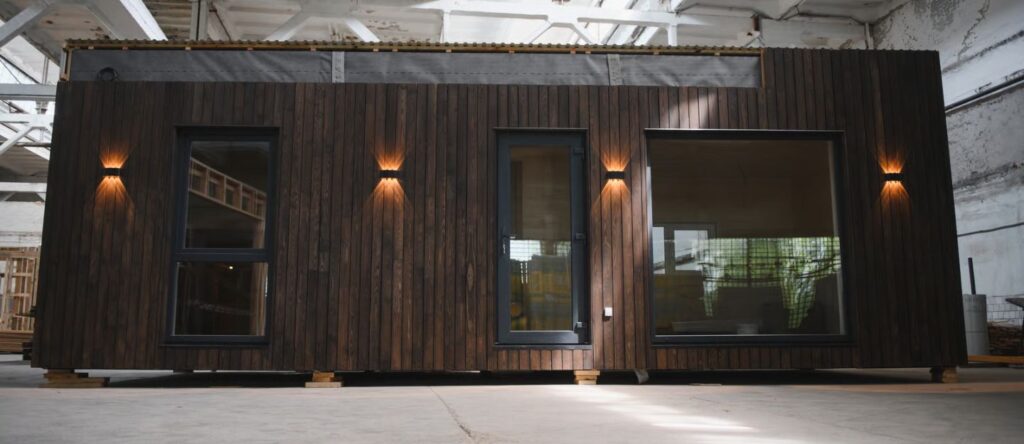
A granny pod is a compact, self-contained residential unit built on the same lot as an existing home. Often referred to as a granny pod house, granny cottage, granny pod homes, or even ADU pods, these structures provide complete living accommodations within a relatively small footprint.
Most include:
- A bedroom
- A private bathroom
- A kitchenette
- A living area
- Utility connections tied to the primary residence
Unlike many traditional site-built ADUs, prefab accessory dwelling units are manufactured in controlled factory environments before being transported for installation. That approach reduces construction time while improving consistency and minimizing disruption on-site.
Why Prefab Granny Pods Are Multifamily Goldmines
They Create Two Income Opportunities on One Property
One of the biggest advantages of a backyard granny pod is its ability to generate income without requiring another land purchase.
Homeowners can continue living in the primary residence while renting the secondary unit. Depending on local regulations, that income may come from long-term tenants or short-term vacation rentals.
Instead of relying on a single residential asset, one property begins producing multiple revenue streams.
They Increase Property Value
Additional living space almost always increases a property’s appeal.
Because granny pod homes function as complete residences, buyers often see them as valuable additions rather than simple backyard structures.
Beyond resale value, they provide flexibility that traditional single-family homes simply cannot offer.
They Cost Less Than Building Another House
Compared with constructing a separate residence, granny pods cost considerably less in most situations.
Factory-built production reduces labor requirements, limits material waste, and shortens installation schedules.
For property owners seeking a faster return on investment, lower construction complexity often translates into earlier occupancy and quicker rental income.
One Investment Supports Multiple Uses
Very few residential additions remain useful for decades without adaptation.
That’s where granny pods stand apart.
The same unit may begin as housing for aging parents before transitioning into rental accommodation, a guest suite, a caregiver residence, or even a private home office.
That flexibility helps protect the investment over time as family or market needs evolve.
Demand Continues to Grow
Across many cities, affordable housing remains in short supply.
As more municipalities embrace ADU-friendly policies, granny houses are becoming an increasingly common way to add housing without changing neighborhood character.
Smaller households, aging populations, and rising housing costs all contribute to growing demand for compact, independent living spaces.
Prefab Granny Pods vs Traditional ADUs
While both provide secondary housing, they are not always built the same way.
Traditional ADUs typically require months of on-site construction involving multiple contractors, inspections, and weather-related delays.
Prefab granny pods simplify much of that process.
Because manufacturing occurs off-site, installation is significantly faster. Controlled production also improves quality consistency while reducing unexpected construction costs.
For homeowners, that means less disruption. For developers, it creates greater scheduling certainty.
Also Read: Prefab vs. Traditional Bathroom Units: Cost & Install Time for Multifamily
Understanding Granny Pods Cost
No two projects carry identical pricing, but several factors influence overall investment.
Basic prefab units generally represent the most economical option.
Mid-range models introduce larger layouts, upgraded finishes, and additional accessibility features.
Premium units offer custom floor plans, premium materials, and integrated smart-home technologies.
Additional expenses may include:
- Site preparation
- Utility connections
- Foundation work
- Local permits
- Landscaping adjustments
Although every project differs, prefab construction often helps reduce labor costs and minimizes expensive on-site rework.
What States Allow Granny Pods?
A common question homeowners ask is, what states allow granny pods?
Several states actively encourage ADU development, including California, Texas, Florida, Oregon, and Washington.
However, regulations vary by city and county.
Approval may depend on:
- Local zoning ordinances
- Minimum lot size
- Property setbacks
- Utility requirements
- Homeowners association rules
Before purchasing any unit, it’s important to review local regulations to ensure the project complies with applicable requirements.
Why Investors Are Paying Attention
Real estate investors increasingly view granny pods for backyard developments as efficient alternatives to larger multifamily projects.
Rather than purchasing new land, they can improve existing properties, generate rental income sooner, and diversify revenue without taking on the complexity of large-scale apartment construction.
For many investors, that combination of affordability, speed, and flexibility makes prefab housing an attractive long-term strategy.
Challenges to Consider
Like any residential investment, granny pods require careful planning.
Initial installation costs, utility connections, zoning approvals, and available backyard space all influence project feasibility.
Privacy between the primary residence and secondary unit should also be considered during design.
Most of these challenges can be addressed early through proper planning and professional guidance.
Turning Backyard Space into Long-Term Income Assets
The role of prefab granny pods has expanded well beyond housing aging relatives.
Today they provide rental opportunities, increase property value, support multigenerational families, and help address growing housing shortages in cities across the country.
As modular construction continues to evolve and more communities embrace accessory dwelling units, granny pods are becoming one of the most practical ways to unlock the value of underused residential land.
Whether you’re planning for family, investing in rental income, or exploring flexible housing solutions, Bathsystem USA delivers engineering-led modular housing systems designed for durability, efficient installation, and long-term performance.
FAQs
What are prefab granny pods?

Prefab granny pods are factory-built residential units placed on the same property as your main house. They kinda give independent living space for family members, tenants, or visitors.
How much do granny pods cost?
The granny pod cost depends on size, the level of finishes, how much prep work the site needs, utility hookups, and whatever local permitting rules are in place.
What states allow granny pods?
Lots of states, such as California, Texas, Florida, Oregon, and Washington, generally support ADU-style development, but the fine print changes a lot by locality.
Are granny pods a good investment?
Yeah, usually they are. They can bring in rental revenue, raise the overall property worth, and support flexible living arrangements as family needs shift over time.
Can granny pods be used for purposes other than senior housing?
Sure. They’re frequently used as rental units, visitor quarters, a home office setup, caregiver living space, and multigenerational home setups too.

Written By
Riccardo SciontiRicardo Scionti is the CEO of Bath System America (Bathsystem USA), a U.S.-based company built on European engineering and manufacturing expertise. He leads the growth of prefabricated bathroom and kitchen pod solutions across the United States, serving the hospitality, healthcare, and multifamily markets. With more than eight years of experience in the U.S. modular construction industry, Ricardo works closely with architects, developers, and general contractors to ensure every project is executed successfully. Supported by a highly skilled professional team, he is actively involved in every stage of the process, from design coordination to manufacturing and on-site integration—ensuring the highest standards of quality, precision, and speed to market. Through these blogs, Ricardo shares practical insights and real-world expertise to help shape the future of industrialized construction.
Related Blogs
Have a project in mind? We'd love to chat!
We’re redefining how our industrialized construction of modular bathroom pods and kitchen pods is delivered across the nation—with precision, reliability, and innovation built into every project.
Let’s build something exceptional together.