What Is Transitional Housing for Homeless Individuals? A Complete Guide
 ADU Housing
 July 13, 2026
In this Article
Summary:
- Transitional housing provides temporary accommodation combined with supportive services to help individuals move toward permanent housing.
- It serves people experiencing homelessness, veterans, families, youth, and individuals recovering from difficult life situations.
- Transitional housing programs focus on stability through case management, employment support, financial education, and housing placement.
- Modular construction enables faster deployment of durable, low-maintenance transitional housing communities.
- Factory-built galvanized steel housing helps governments and nonprofits expand housing capacity more efficiently.
Homelessness continues to affect communities across the United States, creating an urgent need for housing solutions that do more than provide a place to sleep. While emergency shelters offer immediate safety, they are not designed to help people rebuild their lives over time.
This is where transitional housing plays a critical role. It serves as a bridge between emergency shelter and permanent housing by combining temporary accommodation with services that help individuals regain stability and independence.
As housing demand grows, governments, nonprofit organizations, and housing providers are investing in transitional housing programs that can be delivered quickly while offering safe, dignified living environments.
What Is Transitional Housing?
Transitional Housing Meaning
Many people ask, what is transitional housing?
Transitional housing is temporary housing designed for individuals and families who need a stable place to live while preparing for permanent housing. Unlike emergency shelters, transitional housing offers both accommodation and structured support to help residents achieve long-term independence.
The transitional housing meaning goes beyond temporary shelter. It focuses on helping people rebuild their lives through housing stability, employment, education, and access to essential services.
This approach is often referred to as transitional living, where residents receive the time and support needed to move toward permanent housing.
What Is a Transitional Housing Program?
How a Transitional Housing Program Works
A transitional housing program combines temporary housing with personalized support services. Each resident typically follows an individual transition plan designed to help them move into permanent housing.
Rather than simply providing accommodation, these programs address the underlying challenges that contribute to housing instability.
Services Typically Included
Many transitional housing programs provide:
- Case management
- Employment assistance
- Life skills training
- Mental health support
- Substance use recovery services
- Financial literacy education
- Permanent housing placement assistance
These services work together to improve long-term housing outcomes.
Who Benefits from Transitional Housing?
Transitional housing supports many different populations, including:
Individuals Experiencing Homelessness
People facing homelessness can access temporary housing while working toward stable employment and permanent accommodation.
Veterans Transitioning to Permanent Housing
Veterans often benefit from housing combined with healthcare, counseling, and employment support tailored to their unique needs.
Survivors of Domestic Violence
Safe transitional housing gives survivors time to recover while rebuilding financial and personal independence.
Young Adults Aging Out of Foster Care
Many young adults need temporary housing and life-skills support as they transition into independent living.
Individuals Recovering from Substance Abuse
Stable housing provides a secure environment where recovery can continue alongside counseling and employment programs.
Families Facing Housing Instability
Families experiencing financial hardship or displacement can use transitional housing as a pathway toward permanent housing.
Transitional Housing vs Emergency Shelter
Although both provide temporary accommodation, they serve different purposes.
| Transitional Housing | Emergency Shelter |
| Longer-term temporary housing | Immediate short-term shelter |
| Private or semi-private living spaces | Shared sleeping areas are common |
| Includes supportive services | Focuses on immediate safety |
| Goal is permanent housing | Goal is emergency protection |
Both are essential parts of the housing system. Emergency shelters respond to immediate crises, while transitional housing helps individuals achieve lasting stability.
Transitional Housing vs Supportive Housing
Understanding Supportive Housing
Supportive housing provides permanent or long-term housing with ongoing support services for individuals who require continuous assistance due to disability, chronic homelessness, or other long-term challenges.
Key Differences
| Transitional Housing | Supportive Housing |
| Temporary housing | Long-term or permanent housing |
| Time-limited stay | No fixed end date |
| Focus on transition to independence | Ongoing support for long-term stability |
| Structured exit plan | Long-term housing solution |
Why Transitional Housing Matters
Transitional housing helps communities by:
- Breaking the cycle of homelessness
- Supporting long-term independence
- Reducing repeat homelessness
- Improving public health and community outcomes
By combining housing with support services, these programs give people a realistic path toward stable, permanent housing.
Common Types of Transitional Housing
Transitional housing is delivered in several formats, including:
- Transitional housing communities
- Veteran housing programs
- Family transitional housing
- Youth transitional living programs
- Recovery housing
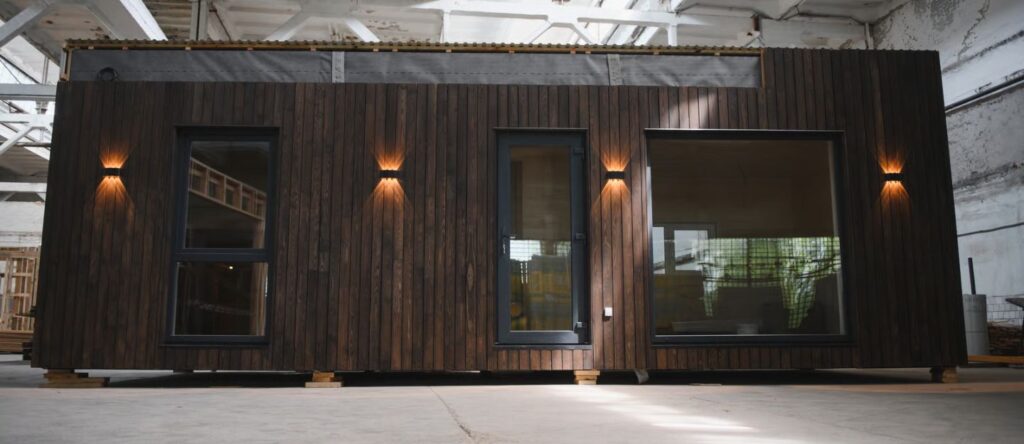
- Modular transitional housing communities
Each model is designed to meet the needs of specific populations while supporting long-term housing success.
How Modular Construction Supports Transitional Housing
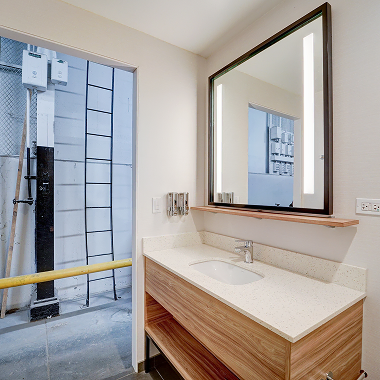
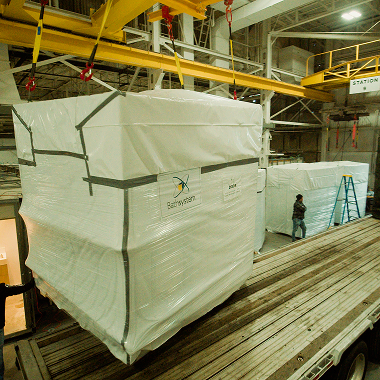
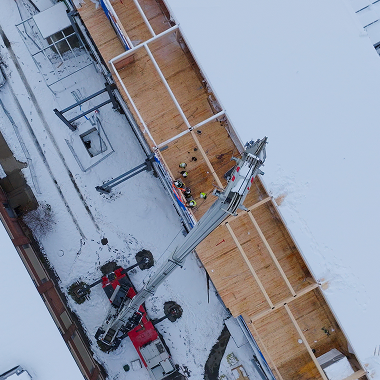
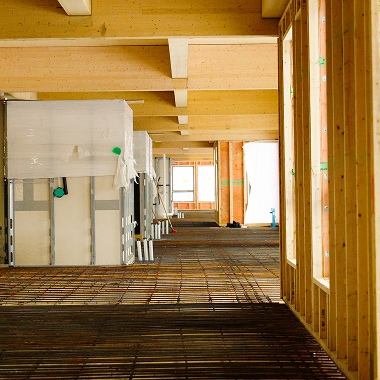
As demand continues to grow, modular construction is helping housing providers deliver projects more efficiently.
Key advantages include:
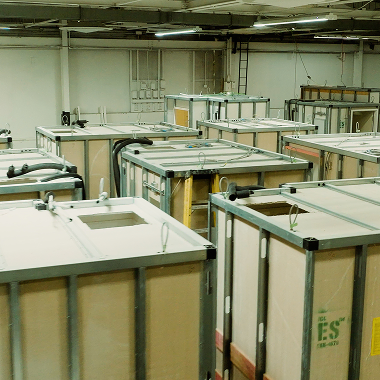
- Faster deployment through factory-built construction
- Consistent quality using controlled manufacturing
- Durable galvanized steel framing for long-term performance
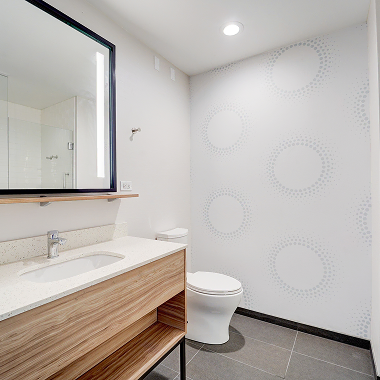
- Washable, easy-to-sanitize interiors that simplify cleaning and maintenance
- Scalable multi-unit housing communities
- Lower long-term maintenance costs
These benefits are especially valuable for governments, nonprofit organizations, and municipalities that need reliable housing delivered within tight timelines.
Challenges in Delivering Transitional Housing
Despite growing investment, providers continue to face several challenges:
- Limited funding
- Land availability
- Rising construction costs
- Tight project timelines
- Increasing demand for temporary housing
Modular housing helps address many of these issues by reducing construction time and improving project predictability.
Best Practices for Successful Transitional Housing Programs
Successful programs typically focus on:
- Safe, dignified living environments
- Easy access to support services
- Strong partnerships with community organizations
- Flexible housing solutions that can expand over time
- Durable, low-maintenance buildings that reduce operating costs
Together, these elements create better outcomes for residents and housing providers alike.
The Future of Transitional Housing
Demand for transitional housing is expected to continue growing as communities seek faster and more sustainable housing solutions.
Future trends include:
- Increased government investment
- Greater involvement from nonprofit organizations
- Wider adoption of modular housing systems
- More integrated supportive housing communities
Factory-built modular construction is expected to play an increasingly important role in delivering housing that is durable, scalable, and ready for occupancy much sooner than traditional construction methods.
Helping People Move from Crisis to Stability
Understanding what transitional housing is highlights its importance as more than temporary accommodation. It provides individuals and families with the stability, resources, and support needed to move toward permanent housing and greater independence.
As housing needs continue to evolve, modular construction is helping governments, nonprofits, and housing providers deliver transitional housing faster and more efficiently. Bathsystem USA supports these efforts with galvanized-steel-framed modular housing solutions designed for transitional, supportive, veterans, and emergency housing programs, helping organizations create durable communities that serve people when they need it most.
FAQs
What is transitional housing?

Transitional housing provides temporary accommodation along with supportive services that help individuals and families move toward permanent housing.
What is a transitional housing program?
A transitional housing program combines temporary housing with services such as case management, employment assistance, financial education, and housing placement support.
What is the difference between transitional housing and supportive housing?
Transitional housing is temporary and focuses on helping residents achieve independence, while supportive housing provides long-term housing with ongoing support services.
What is a transitional home?
A transitional home is a temporary residence that offers a safe, stable environment for individuals or families while they prepare for permanent housing.
How long can someone stay in transitional housing?
The length of stay varies by program, but many transitional housing programs allow residents to stay from several months up to two years, depending on their needs and progress toward permanent housing.

Written By
Riccardo SciontiRicardo Scionti is the CEO of Bath System America (Bathsystem USA), a U.S.-based company built on European engineering and manufacturing expertise. He leads the growth of prefabricated bathroom and kitchen pod solutions across the United States, serving the hospitality, healthcare, and multifamily markets. With more than eight years of experience in the U.S. modular construction industry, Ricardo works closely with architects, developers, and general contractors to ensure every project is executed successfully. Supported by a highly skilled professional team, he is actively involved in every stage of the process, from design coordination to manufacturing and on-site integration—ensuring the highest standards of quality, precision, and speed to market. Through these blogs, Ricardo shares practical insights and real-world expertise to help shape the future of industrialized construction.
Related Blogs
Have a project in mind? We'd love to chat!
We’re redefining how our industrialized construction of modular bathroom pods and kitchen pods is delivered across the nation—with precision, reliability, and innovation built into every project.
Let’s build something exceptional together.