What’s Driving the Modular Bathroom Pods Market Boom?
 Guides
 March 5, 2026
In this Article
Summary
- The requirement for faster and more dependable project completion drives market expansion.
- The construction industry is experiencing automated factory construction because of workforce shortages.
- The difficulties of design synchronization between different engineering disciplines lead to increased demand for pre-engineered solutions.
- The need for sustainable practices and regulatory compliance results in higher customer demand.
The construction industry today faces its greatest challenges in history. The combination of project deadlines which require immediate completion and financial restrictions which limit available funding, along with the persistent lack of qualified workers, requires construction companies and developers to modify their building practices. The teams need to accomplish their work at a quicker pace while having less access to skilled personnel, but they must continue to meet both compliance requirements and quality control standards.
The bathroom serves as the primary area that causes delays throughout construction projects. The space requires multiple tradespeople to work together closely while following a specific sequence of operations that includes mandatory inspections, which create delays and require additional work.
The project teams now opt for complete factory-built bathroom pods, which they receive as ready-to-install products. The market for modular bathroom pods has changed because projects now define bathroom pod specifications during the initial stages when they need to achieve fast results with standardized processes and regulatory compliance.
Modular Bathroom Pods Market Overview
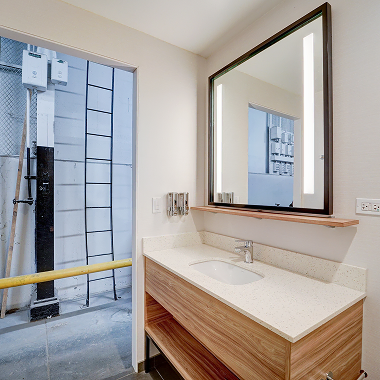
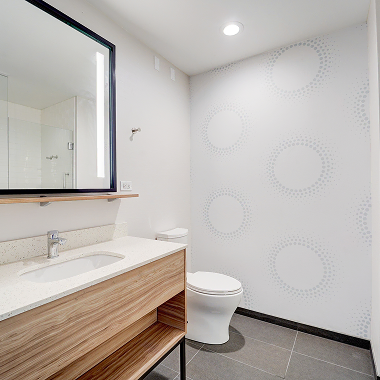
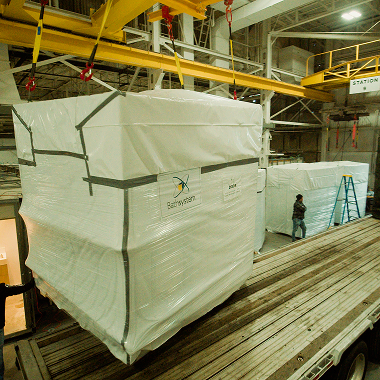
A modular bathroom pod is a fully assembled bathroom unit built in a controlled manufacturing environment and delivered to the site as a single module.
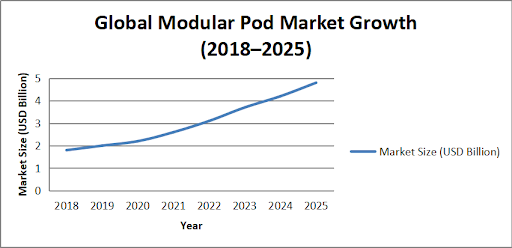
The difference from traditional construction is simple but powerful. In a conventional build, plumbing, waterproofing, tiling, electrical, and finishes all happen on-site. With pods, those steps are completed off-site under controlled conditions.
This approach changes how projects are scheduled. Bathrooms can be built at the same time as the main structure, not after it.
Across the modular bathroom pods market, this shift has translated into steady growth. Developers are increasingly comfortable specifying pods at the design stage, knowing they can reduce delays and improve quality control later.
Key Market Trends Shaping the Modular Bathroom Pods Industry
Healthcare Has Specialized Requirements
- Healthcare settings need bathroom systems that maintain hygiene standards while providing durable functionality and meeting building regulations.
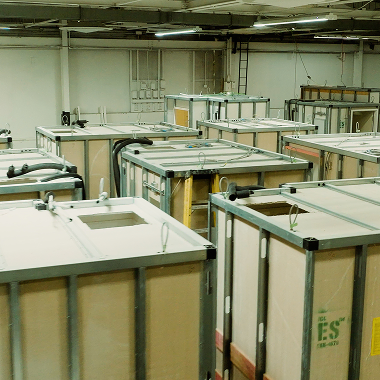
- The manufacturing process for pods takes place in controlled environments, which guarantee both accurate production results and compliance with infection control standards.
- The materials and finishes which can be chosen for this project provide both simple cleaning capabilities and protection against moisture while maintaining their original condition throughout time.
- Offsite construction methods help decrease on-site disturbances, which proves essential because healthcare facilities remain operational during construction work.
Hospitality and Multifamily Lead Demand
- Adoption is most prevalent in industries with high volume and repeatable design.
- Hotels: Require brand standards to be followed and uniformity among rooms.
- Multifamily housing is reliant on repeatable unit designs and timeliness to market.
- Pods produce scalable and predictable results in each of these areas.
Offsite Construction Becomes the Default
- Offsite construction is becoming more and more common for large-scale projects.
- This concept is naturally compatible with bathroom pods because they allow for parallel workstreams.
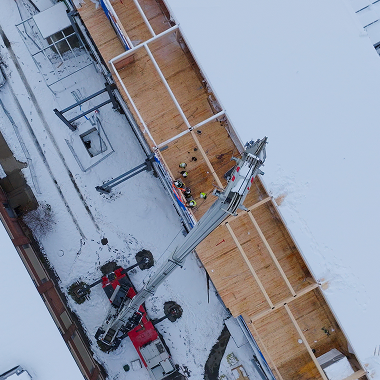
- Bathrooms are produced at the factory, but the building is constructed on-site.
- Project timelines are shortened, and sequencing hazards are decreased by this overlap.
- On-site variability is reduced, and consistent quality is guaranteed through factory production.
Labor Shortages Are Accelerating Adoption
- Skilled trades are increasingly difficult to source, with no short-term relief expected.
- High-precision tasks like tiling, plumbing, and waterproofing are harder to scale on-site.
- Maintaining consistent quality across hundreds of bathrooms is challenging with site labor.
- Pods shift this work to a controlled manufacturing environment.
- On-site teams focus only on installation, reducing coordination pressure.
- This improves schedule reliability and drives demand in the modular bathroom pods market.
Sustainability and ESG Requirements
- Sustainability is now a core requirement in modern construction planning.
- Factory-built pods reduce material waste and water consumption.
- They also minimize on-site disruption and environmental impact.
- These advantages help projects meet green building and ESG targets.
- Developers benefit from measurable sustainability outcomes.
BIM Integration and Design Coordination
- Bathroom pods are integrated into BIM workflows early in the design phase.
- Structural, MEP, and architectural systems are coordinated upfront.
- This reduces design clashes and RFIs during construction.
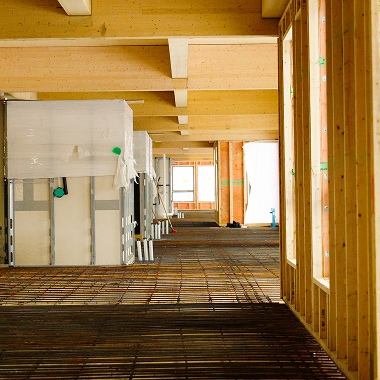
- Installation becomes smoother and faster once pods arrive on site.
Market Segmentation: Where Growth Is Concentrated
By Application
Growth is strongest in sectors where bathrooms are repeated at scale:
- Healthcare and institutional buildings
- Commercial and public facilities
- Multifamily residential developments
- Student accommodation projects
These sectors benefit most from standardization, faster installation, and predictable quality.
By Pod Type
In the United States, pod construction is typically defined by structure and floor system rather than the external shell.
- Steel-framed pods are widely used for high-rise buildings, hospitality projects, and healthcare facilities because of their strength and adaptability.
- For moisture-heavy environments, especially healthcare, GRP or composite floor systems are commonly used due to their durability and water resistance.
- Concrete is generally integrated within the floor structure of the pod rather than used as a full structural shell in U.S. applications.
By Region
- The United States is the primary force driving North American progress.
The U.S. market has progressed beyond initial testing stages to implement standard operating procedures for modular systems. Designers, builders, and healthcare facilities now use bathroom pods during their initial design process to achieve better timeline management, budget tracking, and regulatory adherence. The construction industry is facing worker shortages, which result in project delivery challenges for hospitality and healthcare and multifamily residential projects. - Europe Remains the Most Mature Market
Europe maintains its position as the leading region for standardized practices and permanent modular building methods because it has developed supply chain networks and design standards that enable bathroom pods to be used across different industries. - Asia-Pacific Sees Rapid Expansion
The Asia-Pacific region is currently experiencing rapid growth because urban areas are expanding and there is a strong demand for housing, which makes modular solutions necessary to achieve fast construction and high building density. - The Middle East and Latin America Are Emerging
These regions currently use industrialized construction methods at a basic level, but they have started to put money into these methods for their big construction projects and infrastructure development efforts.
Segmentation Snapshot Table
| Segment Category | Key Segments | Primary Drivers | Typical Project Types |
|---|---|---|---|
| Application | Healthcare, Commercial, Multifamily, Student Housing | Repetition, speed to market, and quality consistency | Hospitals, hotels, apartments, and dormitories |
| Pod Type (U.S.) | Steel frame pods, GRP/composite floor systems | Structural strength, moisture resistance, and transport efficiency | High-rise, hospitality, and healthcare facilities |
| Region | Europe, Asia-Pacific, North America, Middle East & Latin America | Urbanization, labor constraints, and modular adoption maturity | Mixed-use, infrastructure, residential expansion |
Technology and Innovation Trends
Automation in Manufacturing
- Bathroom pod factories now use advanced equipment such as CNC systems and automated assembly tools.
- This improves accuracy, increases production capacity, and ensures consistent quality across units.
Customization Within Standard Systems
- Modern pod systems allow for variation in layout, finishes, and fixtures while maintaining a standardized structural shell.
- This means architects can preserve design intent without losing the efficiency of factory production.
Smart Bathroom Pod Features
- Some projects now integrate features such as leak detection and water monitoring into pods.
- These systems support long-term building performance and reduce maintenance costs.
What This Means for Developers and Contractors
For project teams, the growth of the modular bathroom pods market signals a broader change in construction strategy.
The use of pods transfers worksite difficulties to an area where engineers create an operational framework. The process decreases unpredictability and enhances project planning while preventing teams from making unplanned modifications.
The system enables organizations to make decisions at earlier stages, which leads to a better understanding of project expenses. The initial costs of some projects seem to exceed their total value, yet those projects deliver better cost and time management results throughout their execution.
The Modular Bathroom Pods Market Is Becoming a Strategic Construction Standard
Bathroom pods are transitioning from their initial market presence into widespread public usage. The modular bathroom pods market is growing because it provides a solution to three main challenges that the construction industry faces today: labor shortages, sustainability requirements, and the need for predictable delivery.
Bathsystem USA provides project teams with complete factory-engineered solutions which enable them to complete their work faster and achieve regulatory compliance while maintaining consistent operational efficiency.
Planning a hospitality, multifamily, or healthcare project?
Early engagement with modular bathroom pod specialists like Bathsystem USA can help reduce risk, improve coordination, and accelerate delivery across your project.
FAQs
The primary drivers of this industry are the need for continuous product quality, current workforce deficiencies, fast-track project implementation, and environmental protection regulations.
The top industries involved with restroom pods include student housing, multifamily housing, healthcare facilities, and hotels.
The total project expenses are usually reduced because of faster project completion and reduced need for workers, which results from fewer project defects, although initial costs might rise.
The system enables manufacturers to control their environmental impact through production processes while achieving reduced material waste and enhanced water conservation.
The specification process needs to begin during the initial design phase so that plans can be properly integrated with building services and structural elements.

Written By
Riccardo SciontiRicardo Scionti is the CEO of Bath System America (Bathsystem USA), a U.S.-based company built on European engineering and manufacturing expertise. He leads the growth of prefabricated bathroom and kitchen pod solutions across the United States, serving the hospitality, healthcare, and multifamily markets. With more than eight years of experience in the U.S. modular construction industry, Ricardo works closely with architects, developers, and general contractors to ensure every project is executed successfully. Supported by a highly skilled professional team, he is actively involved in every stage of the process, from design coordination to manufacturing and on-site integration—ensuring the highest standards of quality, precision, and speed to market. Through these blogs, Ricardo shares practical insights and real-world expertise to help shape the future of industrialized construction.
Related Blogs

Have a project in mind? We'd love to chat!
We’re redefining how our industrialized construction of modular bathroom pods and kitchen pods is delivered across the nation—with precision, reliability, and innovation built into every project.
Let’s build something exceptional together.