What Is a Modular Bathroom Pod? Meaning, Benefits, and Use Cases
 Guides
 February 24, 2026
In this Article
Summary
- Explains what modular bathrooms are in contemporary buildings.
- Outlines the use of modular bathroom pods by architects in modern projects.
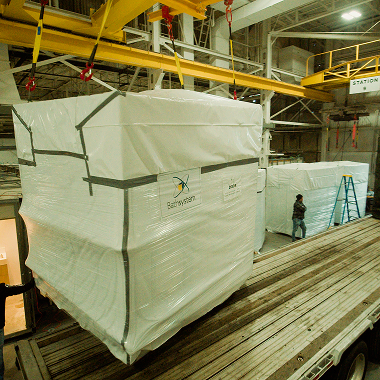
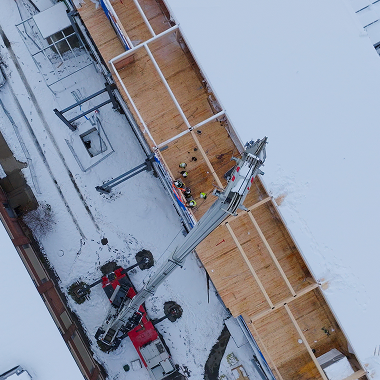
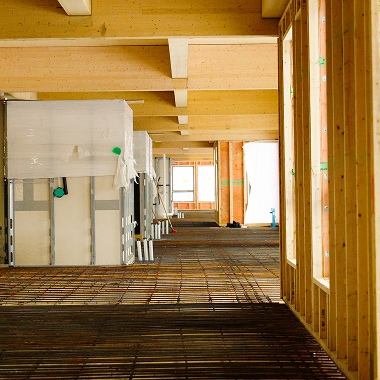
- Describes the process of producing pods off-site and delivering them ready for installation.
- Makes a comparison between typical onsite bathroom builds and modular bathroom construction.
- Highlights the ways that modular bathrooms increase consistency, efficiency, and coordination.
Bathrooms exist as the most complicated areas within any building because they need precise alignment between their structural elements, plumbing systems, electrical installations, waterproofing methods, and finishing materials. The breakdown of that essential coordination leads to project interruptions, which require expensive rework. This problem has increased the demand for modular solutions.
A modular bathroom exists as a complete bathroom system which construction teams produce at their factory. The complete system undergoes construction and testing procedures inside a controlled space, which results in decreased operational challenges during the installation process.
Today, modular bathroom pods are widely used across healthcare facilities, hospitality projects, and multifamily housing, helping teams achieve high design standards, faster timelines, and consistent construction quality.
What Is a Modular Bathroom Pod?
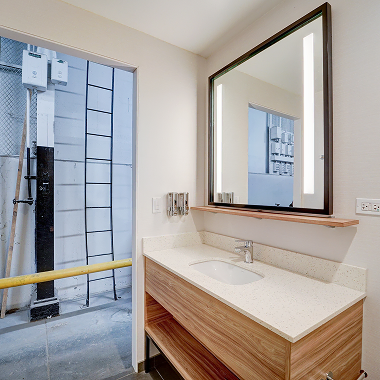
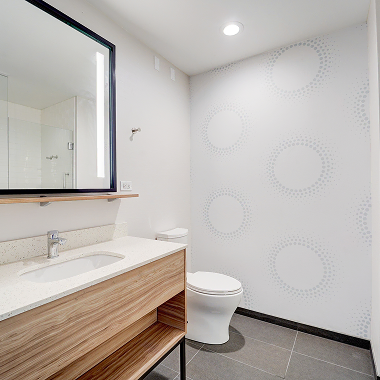
In simple terms, the modular bathroom meaning lies in its off-site construction and ready-to-install design. The pod contains all necessary building materials together with bathroom facilities, which enable it to function as a fully constructed restroom space.
Key components typically included in a modular bathroom pod are:
- A structural frame, often steel-based, is engineered to meet load requirements
- Fully installed plumbing and drainage systems
- Pre-wired electrical systems and lighting
- Waterproofing membranes and tested wet-area detailing
- Fixtures and fittings such as toilets, vanities, showers, and accessories
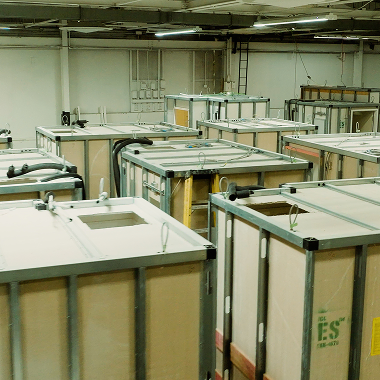
All work is completed off-site in a factory environment where temperature, humidity, and quality control processes are monitored. The production process requires a controlled environment because it defines the modular bathroom’s essential function and its market value.
How Modular Bathroom Pods Are Designed and Manufactured
The development of modular bathroom pods follows a product-led process instead of using conventional construction methods. The method establishes a complete framework that design teams will implement until they reach their final production stage. The process typically includes:
- Coordinated design development: This process transforms architectural layouts into production-ready drawings. The project team finishes structural calculations, plumbing plans, and electrical schematics before work starts to prevent conflicts on the job site.
- Standardized yet flexible configurations: Developers can choose from proven base models and adjust finishes, fixtures, accessibility features, and brand-specific requirements.
- Engineered structural systems:
- Steel-framed pods for strength and dimensional stability
- Hybrid systems combining lightweight materials with reinforced elements
During fabrication:
- The structural frame is assembled first
- Plumbing and electrical systems are integrated
- Waterproofing is applied and tested
- Finishes, ceilings, fixtures, and fittings are installed
All pods undergo inspection and testing procedures, which include water testing, electrical testing, and measurement assessment, before they leave the facility. The pre-delivery quality control process decreases the need for onsite rework while establishing the modular bathroom system as a fully engineered construction system that has received factory certification according to building standards.
Why Builders and Developers Choose Modular Bathrooms
The growing adoption of modular bathroom pods is based on measurable project advantages rather than trend-driven interest. The benefits become clear when viewed across schedule, labor, quality, and risk factors.
| Key Factor | How Modular Bathroom Pods Create Impact |
|---|---|
| Schedule Efficiency | The production of bathroom pods proceeds simultaneously with the construction work of site teams who are building foundations and superstructure. The construction schedule becomes shorter because of this overlapping work, which allows the project to finish earlier than scheduled. |
| Reduced Onsite Labor Dependency | Traditional bathrooms require multiple trades to complete their work in a step-by-step process. The modular pods systematize most of its work to be performed in a factory, which helps to decrease both labor shortages and delays that come from needing to coordinate with different teams. |
| Quality Control and Consistency | The factory production method delivers consistent work quality through all manufactured units. The organization needs to maintain uniformity because it has numerous bathrooms that must adhere to its established brand standards and operational requirements. |
| Cost Predictability | The project costs become more predictable because the actual expenses decrease when there are fewer project delays, the need for rework decreases, and trade conflicts decrease. |
| Weather Risk Reduction | The construction of critical wet-area spaces takes place indoors under controlled conditions, which helps to decrease both weather-related interruptions and seasonal construction delays. |
Taken together, these advantages expand the modular bathroom meaning beyond procurement decisions. They position modular pods as a strategic solution for improving construction reliability and project performance.
Cost, Schedule, and Risk Impact of Modular Bathroom Pods
It is necessary to consider the overall project performance while evaluating modular bathroom pods, not only the cost per unit.
- Reduced Onsite Labor Exposure: By combining several crafts into a regulated production process, onsite labor intensity is decreased, and exposure to changing labor prices is minimized.
- Schedule compression: Allows for quicker project completion and earlier occupancy for developments that generate income because pods are built concurrently with structural construction.
- Waterproofing Risk Reduction: The standardization and implementation of waterproofing systems through standardized testing before exporting leads to decreased post-construction defects, which currently rank as the most frequent cause of construction defects.
- Better Trade Coordination: The construction process becomes more efficient when plumbing and electrical work and finishing tasks follow a set production sequence, since this method decreases both misalignment and the need for rework.
- Reduced Post-Construction Defects: The testing process for every pod involves examination and verification before delivery, which results in enhancements to overall quality and durability.
The combined effects of these factors improve the value of modular bathrooms because they function as a construction risk management solution while providing schedule and cost certainty.
Where Modular Bathroom Pods Are Most Commonly Used
Modular bathroom pods deliver the strongest impact in projects with repetitive layouts and large unit volumes.
- Healthcare & Senior Living: Precise factory execution supports accessibility, hygiene, and compliance requirements.
- Hospitality (Hotels & Serviced Apartments): Identical bathroom layouts across floors allow a consistent guest experience and faster project delivery.
- Multifamily & High-Rise Residential: Standardized unit designs align well with offsite production efficiency.
- Student Housing & Dormitories: High unit repetition makes modular pods ideal for streamlined construction.
- Commercial & Institutional Projects: Workforce housing and public sector buildings benefit from scalable, repeatable solutions.
Projects with repetitive configurations gain the most value, as production efficiency improves with volume. This scalability is central to the modular bathroom, meaning in large-scale developments.
Sustainability and ESG Benefits of Modular Bathrooms
Modular bathroom pods also support environmental and ESG objectives through measurable improvements.
- Reduced Material Waste: Precision manufacturing improves material estimation and allows the reuse of offcuts.
- Lower Onsite Disruption: Fewer trades and shorter site durations reduce emissions and jobsite congestion.
- Safer Working Conditions: Factory environments limit exposure to weather and common site hazards.
- Support for ESG Goals: Improved efficiency, waste control, and quality management align with sustainability targets.
- Lifecycle Durability: Tested systems and consistent workmanship reduce long-term maintenance and repair needs.
These factors position modular bathrooms as both an operational and sustainability-focused construction strategy.
A Smarter, Faster Way to Build Bathrooms at Scale
The modular bathroom meaning goes beyond prefabrication. It reflects a shift toward engineered, factory-built systems that improve speed, quality control, and risk management across large-scale projects.
By compressing schedules, increasing cost certainty, and reducing defects, modular bathroom pods provide a practical solution for developments with repetitive layouts and demanding timelines.
As a U.S. authority in prefabricated modular bathroom pods, Bathsystem USA combines European engineering with American manufacturing to deliver compliant, high-performance solutions that support long-term project efficiency and building performance.
Planning a project with repetitive bathroom layouts or tight timelines?
Connect with Bathsystem USA to explore how engineered modular bathroom pods can reduce risk, accelerate schedules, and deliver consistent quality across your development.
FAQs
The modular bathroom functions as a complete bathroom unit because it contains all necessary building materials, restroom facilities, electrical systems, and final construction elements that manufacturers create in their factories for direct customer delivery.
Traditional bathroom construction requires multiple building workers to work together at the construction site, while modular bathroom pods require construction teams to build complete bathroom systems, which they will move to their final location.
The modular pods enable customization because customers can select various building materials, restroom fixtures, and special needs features while production processes remain at standard efficiency.
The construction process benefits from these bathroom pods because their creation occurs simultaneously with the construction work, which results in shorter project completion times.
The system functions effectively in large-scale projects that require identical building patterns for their hotels, multifamily residences, medical centers, and dormitory buildings.

Written By
Riccardo SciontiRicardo Scionti is the CEO of Bath System America (Bathsystem USA), a U.S.-based company built on European engineering and manufacturing expertise. He leads the growth of prefabricated bathroom and kitchen pod solutions across the United States, serving the hospitality, healthcare, and multifamily markets. With more than eight years of experience in the U.S. modular construction industry, Ricardo works closely with architects, developers, and general contractors to ensure every project is executed successfully. Supported by a highly skilled professional team, he is actively involved in every stage of the process, from design coordination to manufacturing and on-site integration—ensuring the highest standards of quality, precision, and speed to market. Through these blogs, Ricardo shares practical insights and real-world expertise to help shape the future of industrialized construction.
Related Blogs

Have a project in mind? We'd love to chat!
We’re redefining how our industrialized construction of modular bathroom pods and kitchen pods is delivered across the nation—with precision, reliability, and innovation built into every project.
Let’s build something exceptional together.