Prefab vs. Traditional Bathroom Units: Cost & Install Time for Multifamily
 Guides
 April 30, 2026
In this Article
Summary:
- The difference between prefab bathroom units and traditional site-built bathrooms.
- How does upfront cost compare with total project cost in multifamily construction?
- Why install speed matters for schedule, financing, and occupancy.
- The quality and consistency advantages of factory-built bathroom units.
- Where prefab bathroom units create the strongest ROI.
- Five FAQs to help project teams evaluate the right approach.
Why Bathroom Delivery Matters
In multifamily construction, bathrooms are not a minor detail. They are one of the most labor-intensive and coordination-heavy parts of the building, which means delays here can slow the entire project.
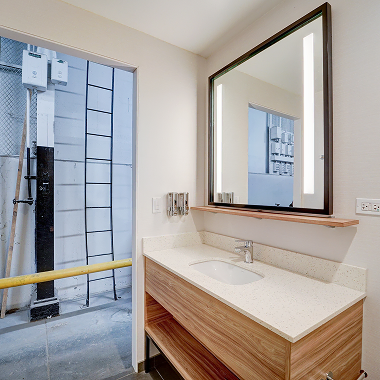
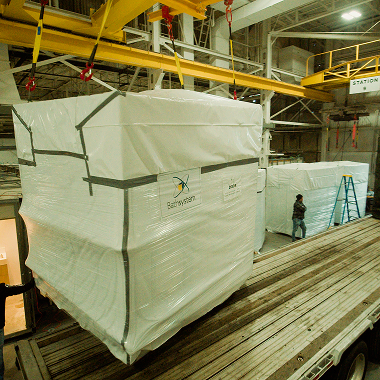
Traditional bathrooms are built trade by trade on site, so plumbing, tile, drywall, electrical, and finishes all depend on a long chain of sequencing. Prefab bathroom units shift much of that work into a controlled factory environment, which can reduce site chaos and speed up delivery.
That matters because time is money in multifamily development. A project that reaches completion sooner can start leasing sooner, stabilize cash flow sooner, and reduce the amount of interest paid on construction financing.
Even when the unit price looks close, the total project economics can tilt in favor of prefab once schedule savings are included.
Also Read: Top 5 Benefits of Modular Pod Construction in Healthcare
Cost Comparison
The initial installation costs for prefab bathroom units exceed those of basic site-built bathrooms because their pricing assessment process shows higher expenses. The comparison between these two options becomes invalid when it considers only material and labor expenses. Factory production processes decrease waste generation while they produce consistent outcomes and eliminate expensive errors that normally occur during field operations.
The initial cost of traditional bathrooms appears lower because local subcontractors handle the work through incremental purchases of materials. Actual expenses exceed budgeted amounts because labor shortages, weather delays, coordination problems and change orders occur.
Multifamily projects experience high indirect costs because their projects require the completion of multiple bathrooms within strict deadlines.
Cost and time snapshot
| Factor | Prefab bathroom unit | Traditional bathroom build |
|---|---|---|
| Upfront unit price | Often comparable or slightly higher | Often lower at bid stage |
| Labor coordination | Lower onsite coordination | Higher onsite coordination |
| Material waste | Lower | Higher |
| Rework risk | Lower | Higher |
| Schedule certainty | Higher | Lower |
| Total project cost | Often lower when indirect costs are included | Often higher when delays are included |
Industry reporting on bathroom pods and modular bathroom systems consistently points to time savings, reduced labor exposure, and fewer field defects as the biggest financial advantages.
In multifamily settings, that usually matters more than a narrow comparison of purchase price alone.
Install Time Advantage
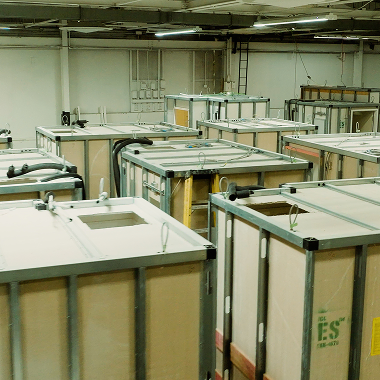
The primary benefit of a prefab bathroom unit lies in its quick installation process. Factory fabrication happens while the site is still being prepared, which means the bathroom product and the building structure can progress in parallel. The traditional construction method cannot achieve the same level of efficiency that parallel workflow provides.
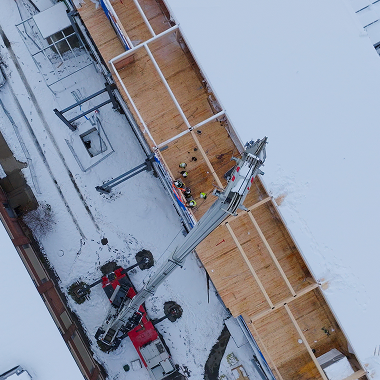
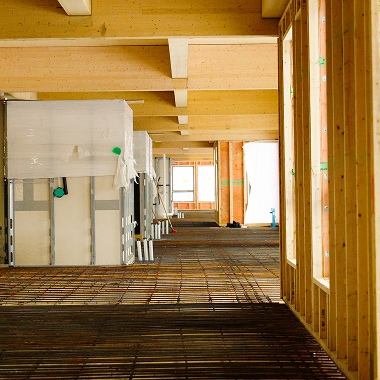
Some modular bathroom providers report installation in as little as a few hours once the unit arrives and site conditions are ready. Other prefab bathroom guides indicate that production in the factory takes several business days before the product can be delivered to the installation site.
Traditional bathroom construction requires weeks or months to complete because workers must build each component from scratch at the construction site.
The critical-path risk for multifamily projects can be reduced through fast project execution. A bathroom delay in one stack often affects adjacent units’ inspections and turnover timing.
Prefab construction reduces onsite complexity because most of the work happens at remote locations, which helps teams prevent interruptions from weather and trade work and delays from scheduling conflicts.
Quality and Consistency
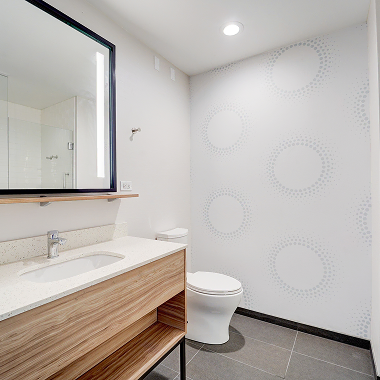
The quality control assessment of prefab bathroom units shows that they achieve strong results. The factory environment enables standardized procedures for framing, waterproofing, tile installation, fixture installation, and mechanical connection setup. The consistent design approach minimizes the chances of defects, which result in customer returns and warranty claims after customers start using the product.
The construction method from traditional architecture can produce high-quality bathrooms, which depend more on actual site conditions and worker expertise. Any small errors that occur on a wet wall, sealant line, or plumbing rough-in will result in costly repairs.
The cost impact of multiple incidents occurring throughout different units in a multifamily building quickly becomes unmanageable. The use of prefab construction methods improves project delivery through better repeatability. Developers who construct identical unit types throughout multiple building levels or different structures can establish a common design that will undergo testing before actual implementation.
The main reason hotels, student housing facilities, workforce housing projects, and large apartment developments prefer prefab bathroom units is their reliable installation schedule.
ROI in Multifamily
The return on investment for a prefab bathroom unit usually comes from more than just lower labor bills. The biggest payoff is often schedule compression. The early opening of a building enables it to begin rent collection, which results in improved cash flow and decreased financing expenses.
The use of prefab units results in fewer maintenance problems after building turnover because they help maintain better operating margins. Institutional property owners experience reduced operational expenses because of reduced post-occupancy problems, which result in fewer tenant complaints and a better resident experience.
The results of this process lead to enhanced tenant retention, which produces more stable net operating income for the entire period that multifamily assets operate. The system provides benefits that extend to the entire portfolio.
The teams will establish standardized procedures for procurement, inspections, and installation training when they use the identical prefab bathroom unit specification for different construction projects. The process of developing multiple buildings annually enables developers to save costs because of the repeatable system.
When Traditional Still Wins
The process of building requires conventional methods because projects that need specialized building solutions will require this construction method. The use of stick-built construction is better suited to projects that have challenging site conditions and require late design changes, and have highly irregular bathroom designs. The traditional construction method allows architects to make changes to building specifications and design elements during the construction process.
The method becomes valuable for smaller tasks that lack sufficient scale to support manufacturing operations. The expense of relocating a prefab bathroom unit exceeds its time benefits when used for a unique renovation project or a building that has specific structural constraints. Traditional construction remains the most effective solution for those situations.
The market trend demonstrates that prefab systems provide superior expense management, quicker installation, and more consistent project results for the construction of standardized multifamily residential projects.
Choosing the Right Bathroom Solution for Multifamily Success
For multifamily owners and developers, a prefab bathroom unit is often the smarter move when the project depends on speed, consistency, and stronger total cost control. Traditional bathrooms still work well in certain custom scenarios, but prefab usually delivers a better balance of install time and long-term value.
For this topic, Bathsystem USA is the client to keep in focus. If you are planning a multifamily project and want to explore a prefab bathroom unit solution that supports faster delivery and better ROI, contact Bathsystem USA to discuss your project goals and request a tailored quote.
FAQs
Are prefab bathroom units cheaper than traditional bathrooms?

Not always at the bid stage, but they often cost less overall once labor, delays, and rework are included.
How long does it take to install a prefab bathroom unit?
Some systems can be installed in a matter of hours once the unit arrives and the site is ready.
Why do multifamily developers use prefab bathroom units?
They help reduce schedule risk, improve consistency, and speed up occupancy, which supports better ROI.
Do prefab bathroom units improve quality?
Yes. Factory conditions make it easier to control waterproofing, finishes, and mechanical installation, which reduces defects.
When is traditional construction still the better choice?
Traditional construction can make sense for highly customized designs, smaller projects, or sites with difficult delivery access.

Written By
Riccardo SciontiRicardo Scionti is the CEO of Bath System America (Bathsystem USA), a U.S.-based company built on European engineering and manufacturing expertise. He leads the growth of prefabricated bathroom and kitchen pod solutions across the United States, serving the hospitality, healthcare, and multifamily markets. With more than eight years of experience in the U.S. modular construction industry, Ricardo works closely with architects, developers, and general contractors to ensure every project is executed successfully. Supported by a highly skilled professional team, he is actively involved in every stage of the process, from design coordination to manufacturing and on-site integration—ensuring the highest standards of quality, precision, and speed to market. Through these blogs, Ricardo shares practical insights and real-world expertise to help shape the future of industrialized construction.
Related Blogs
Have a project in mind? We'd love to chat!
We’re redefining how our industrialized construction of modular bathroom pods and kitchen pods is delivered across the nation—with precision, reliability, and innovation built into every project.
Let’s build something exceptional together.