How Modular Bathroom Pods Reduce Labor Dependency in Hospital Construction
 Hospitality
 April 11, 2026
In this Article
Summary:
- Skilled labor shortages are affecting hospital construction timelines
- Costs are rising due to wage pressure and coordination challenges
- Modular Bathroom Pods move complex work away from the site
- Fewer trades are needed on-site, reducing dependency on scarce skills
- Projects benefit from more stable schedules and consistent quality
Spend a day on a hospital construction site, and one thing becomes obvious fairly quickly: getting the right trades at the right time is no longer straightforward.
It’s not just about numbers. Even when crews are available, aligning plumbers, electricians, and finishing teams in the same space, at the right stage, often turns into a juggling act. One delay pushes another. Before long, timelines start stretching.
Healthcare projects feel this more than most. There’s very little room for slip. Deadlines are tied to real needs, beds, departments, patient flow, not just project milestones.
That’s where Modular Bathroom Pods have started to make sense in a very practical way.
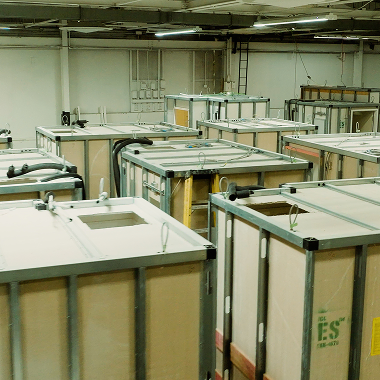
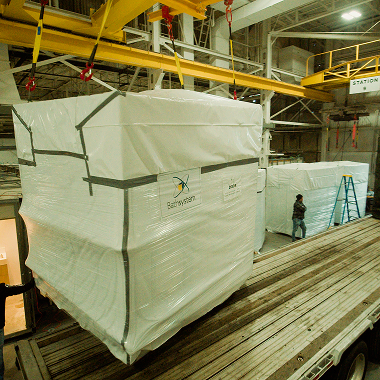
Instead of building bathrooms piece by piece on-site, teams are bringing them in almost complete. It takes a chunk of the most coordination-heavy work and moves it somewhere more controlled. What’s left on-site is simpler, quicker, and easier to manage.
The Growing Labor Challenge in Hospital Construction
Skilled Labor Isn’t Easy to Find
Across most projects, the same pattern shows up.
- Fewer experienced tradespeople are available
- High demand across multiple sectors
- Teams stretched across jobs, not dedicated to one
Bathrooms, in particular, rely on tight coordination between trades. When even one piece is missing, progress slows.
Costs Keep Climbing
Labor shortages don’t just delay work; they make it more expensive.
- Higher wages to secure skilled workers
- Overtime to recover lost time
- Budget buffers are getting used up early
What used to be manageable contingencies are now regular line items.
Scheduling Becomes the Real Problem
Even when budgets hold, timing often doesn’t.
| Issue | What Happens on Site |
|---|---|
| Trade delays | Work stops and restarts |
| Poor sequencing | Rework or adjustments |
| Overlapping teams | Congestion and inefficiency |
This is where most of the friction sits, not in the work itself, but in how it’s coordinated.
What Are Modular Bathroom Pods?
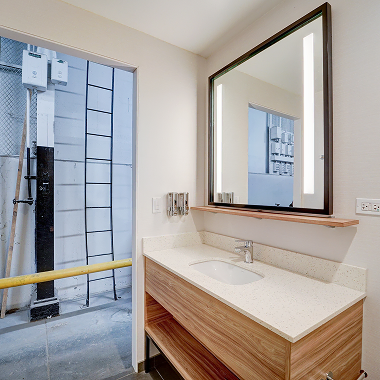
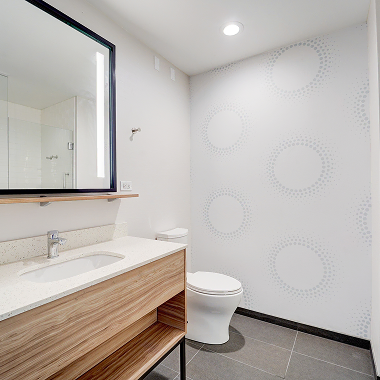
In simple terms, Modular Bathroom Pods are fully built bathroom units produced off-site and delivered ready for installation.
They’re not partial assemblies. By the time they arrive, most of the work is already done.
What’s Typically Included
- Plumbing systems are already fitted
- Electrical wiring and fixtures are in place
- Wall finishes, flooring, and ceilings completed
- Accessories and fittings installed
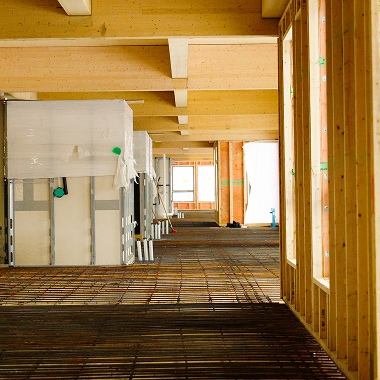
Once on-site, the job is less about building and more about placing and connecting.
How Modular Bathroom Pods Reduce Labor Dependency
This is where the difference shows up most clearly.
1. Less Work Happening On-Site
A large portion of the effort moves away from the construction site.
- Factory teams handle repetitive, detailed work
- On-site crews are smaller and more focused
- Fewer subcontractors need to be coordinated
Instead of managing multiple trades in one tight area, much of that complexity is already resolved.
- Installation Is Straightforward
Traditional bathroom construction unfolds step by step. Pods skip most of that.
- Delivered in near-complete condition
- Positioned and connected in a short time
- No waiting between trades
| Task | Traditional Build | With Pods |
|---|---|---|
| Plumbing setup | On-site | Pre-installed |
| Finishing | Manual | Factory-completed |
| Time required | Weeks | Hours |
It’s not just faster, it’s simpler to plan.
3. Fewer Specialists Needed on Site
Bathrooms usually demand skilled trades working closely together.
With Modular Bathroom Pods, much of that is already handled.
- Plumbing, electrical, and finishes come integrated
- Reduced the need to source multiple specialists
- Lower risk if a particular trade isn’t available
That alone takes pressure off scheduling.
4. Work Happens in Parallel
One of the more practical advantages is timing.
- Building structure progresses on-site
- Pods are manufactured at the same time
- Both streams meet closer to the finish line
This overlap cuts down waiting periods that typically slow projects.
5. Fewer Mistakes to Fix Later
On-site construction depends heavily on individual execution.
Factory production is different.
- The same process is repeated across units
- Controlled conditions reduce variability
- Issues are caught earlier
That means fewer surprises during the final stages.
Key Industry Stats: Labor Shortage & Modular Shift
A few numbers help put the current situation into perspective:
- The construction industry is expected to face a shortage of 500,000+ skilled workers in the near term, affecting large-scale projects like hospitals
- Labor costs have risen by 15–25% over recent years in many regions, especially for specialized trades
- Nearly 70% of construction projects report delays linked to labor availability and coordination issues
- Prefabrication and modular construction can reduce overall project timelines by 10–20%
- Off-site construction methods can lower on-site labor requirements by up to 30–50%
- Rework, often tied to on-site errors, accounts for nearly 5–10% of total project costs in traditional builds
- Projects using modular components report significantly fewer defects at handover, improving the speed of occupancy
What This Means in Practice
| Area | Traditional Construction | With Modular Bathroom Pods |
|---|---|---|
| Labor dependency | High | Significantly reduced |
| Schedule reliability | Variable | More predictable |
| Rework levels | Moderate to high | Lower |
| Site workforce size | Large | Leaner |
These figures don’t tell the whole story, but they explain why more healthcare projects are moving toward solutions like Modular Bathroom Pods, not just for speed, but for better control over labor, cost, and delivery.
Quality Control Compared to Traditional Construction
Quality tends to be more consistent when the environment is controlled.
With pods:
- Units are built under steady conditions
- Checks happen at multiple stages
- Systems are tested before delivery
What That Leads To
- Fewer defects during inspection
- Less rework at the end of the project
- Smoother approvals
On-site builds can achieve similar results, but it often takes more time and effort.
Time Savings and Project Delivery
Time savings don’t always come from working faster; they come from avoiding delays.
- Projects often finish around 10% earlier
- In larger builds, this can mean a few months saved
- Less reliance on labor availability keeps work moving
For hospitals, earlier completion isn’t just a metric, it’s additional capacity coming online sooner.
Design Standardization Across Facilities
Hospitals tend to repeat layouts, especially in patient areas.
Modular Bathroom Pods fit naturally into that pattern.
- Consistent design across multiple rooms
- Easier for staff to navigate and maintain
- Predictable performance over time
Where BIM Fits In
- Helps align design before production begins
- Reduces clashes during installation
- Supports long-term facility planning
Standardization here isn’t about limiting design; it’s about making it work reliably at scale.
Impact on Different Stakeholders
Owners and Developers
- Better control over timelines
- Fewer variables tied to labor
- More predictable outcomes
Architects and Designers
- Designs translate more accurately into built spaces
- Fewer last-minute adjustments
- Greater consistency across units
Contractors
- Reduced coordination effort
- Fewer trades to manage simultaneously
- Less congestion on-site
Healthcare Teams
- Uniform spaces across departments
- Easier maintenance
- Better usability for staff and patients
Cost Implications
Labor reduction has a direct impact on cost, but also indirect ones.
| Cost Area | Traditional Approach | With Pods |
|---|---|---|
| Labor | High | Lower |
| Rework | Common | Reduced |
| Delays | Frequent | Less frequent |
There may be more planning involved upfront, but fewer issues tend to surface later.
Sustainability and Safety
Some side benefits show up along the way.
- Less material waste due to controlled production
- Fewer workers on-site improves safety
- Cleaner, more organized job sites
These factors become more noticeable on active hospital campuses.
Challenges to Keep in Mind
It’s not plug-and-play. A few things need attention early.
- Design decisions need to be locked down sooner
- Coordination between teams is important
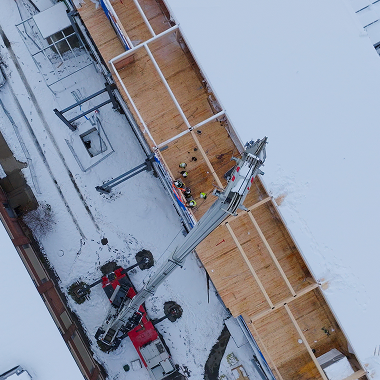
- Transport and handling require planning
- Choosing the right partner makes a difference
Projects that account for these early tend to run more smoothly.
Why This Approach Is Gaining Ground
This shift isn’t about replacing traditional construction entirely.
It’s about reducing the parts that are hardest to manage.
As labor challenges continue, solutions that simplify execution and reduce dependency are naturally getting more attention.
A More Practical Way to Build in a Labor-Constrained Market
Hospital construction isn’t getting simpler. If anything, expectations are rising while resources, especially skilled labor, are getting tighter.
That gap is where Modular Bathroom Pods are proving useful.
They don’t change what needs to be built. They change how it gets done.
By moving detailed, labor-heavy work off-site, they reduce pressure on construction teams, make schedules easier to manage, and bring a level of consistency that’s difficult to achieve otherwise.
Bathsystem USA works with healthcare projects to deliver modular bathroom pod solutions that align with these needs, helping teams build with fewer dependencies and more confidence in the outcome.
Reduce Labor Risks. Build Faster. Deliver Better Healthcare Spaces.
FAQs
How do modular bathroom pods reduce labor dependency?

They shift most construction work off-site, so fewer skilled trades are needed on-site.
Are modular bathroom pods suitable for all hospital projects?
They work best in projects with repeated layouts like patient rooms and wards.
Do modular pods affect quality?
In most cases, they improve consistency because they’re built in controlled conditions.
How much time can they save?
Projects can see noticeable reductions in timelines, often by a few months.
Are they cost-effective in the long run?
Yes, mainly due to lower labor costs, fewer delays, and reduced rework.

Written By
Riccardo SciontiRicardo Scionti is the CEO of Bath System America (Bathsystem USA), a U.S.-based company built on European engineering and manufacturing expertise. He leads the growth of prefabricated bathroom and kitchen pod solutions across the United States, serving the hospitality, healthcare, and multifamily markets. With more than eight years of experience in the U.S. modular construction industry, Ricardo works closely with architects, developers, and general contractors to ensure every project is executed successfully. Supported by a highly skilled professional team, he is actively involved in every stage of the process, from design coordination to manufacturing and on-site integration—ensuring the highest standards of quality, precision, and speed to market. Through these blogs, Ricardo shares practical insights and real-world expertise to help shape the future of industrialized construction.
Related Blogs

Have a project in mind? We'd love to chat!
We’re redefining how our industrialized construction of modular bathroom pods and kitchen pods is delivered across the nation—with precision, reliability, and innovation built into every project.
Let’s build something exceptional together.