ADA Compliant Restrooms: Ensuring Accessibility for All
 ADU Housing
 April 19, 2026
In this Article
Summary:
|
Restroom entry at busy mall and office and hotel facilities presents multiple access challenges. The door feels tight, the stall space is too small, and the expected grab bar is missing from the area. The space presents no visible problems, yet it creates challenges for users who want to access it.
You are not disabled because your current state shows you are simply exhausted while you rush through your day with a bag on your back. The process proves to be bothersome because of its uncomfortable nature. The design of this space causes you to stop and consider its actual purpose.
The process of making spaces accessible requires more than simply constructing wheelchair ramps and building wider entrance doorways. The goal is to create environments that all people can access, use, and feel safe in. The Americans with Disabilities Act (ADA) establishes requirements for accessibility compliance. The law establishes standards to guide public and business restroom design.
All offices, restaurants, hotels, healthcare facilities, and schools now require ADA compliant restrooms. The actual problem lies in assessing restroom construction through its effectiveness when applied to actual environments.
What Are ADA Compliant Restrooms?
ADA compliant restrooms follow the standards set under the Americans with Disabilities Act (ADA). These guidelines cover things like spacing, fixture height, grab bar placement, and signage.
There exists a distinction between the terms “ADA-compliant” and “just accessible” that needs to be understood. A space may feel “accessible” in a casual way, but ADA‑compliant means it follows specific technical standards. The term “accessible” describes a general concept, while “ADA-compliant” functions as a legal requirement based on specific codes.
Most public and commercial buildings in the United States must have ADA-compliant restrooms, which include retail spaces, office buildings, restaurants, hotels, healthcare facilities, and educational institutions. The use of ADA-friendly layouts by owners in their private or residential spaces occurs because they provide comfort and long-term functional advantages.
Why ADA Compliance Matters
- Legal Requirements
The Americans with Disabilities Act requires all commercial and public locations to achieve compliance status. Businesses face financial penalties and legal action when their restrooms fail to meet established requirements.
Inspectors examine restroom dimensions, which include door width, clear floor space, and grab bar height and sink height measurements. The restroom fails to meet ADA standards because its elements do not meet required specifications, despite the fact that its design appears acceptable.
- Inclusivity & Brand Responsibility
The design of a restroom facility communicates an institutional message to its users. Businesses and organizations demonstrate their commitment to accessible facilities through their construction of ADA-compliant restroom spaces.
The establishment of trust between businesses and their customers, employees, and visitors enables organizations to accomplish their diversity and social responsibility objectives.
- Improved User Experience for All
The implementation of ADA-compliant features benefits all users, including senior citizens, people with disabilities, parents with strollers, pregnant women, travelers who carry heavy luggage, and everyone who prefers safe and simple access.
The same grab bars, clear floor space, and user-friendly sinks that assist users with disabilities provide support to all other users.
Core Requirements for ADA Compliant Restrooms
To achieve ADA compliance, restrooms need to fulfill particular technical requirements that create accessible spaces beyond basic accessible design. The table below summarizes the key requirements for toilets, grab bars, sinks, floor space, and signage.
The design process should start with all elements together to create a restroom that meets the needs of every user who visits the facility. The core requirements help organizations to prevent typical compliance errors while decreasing the need for additional work and creating safer environments that maintain dignity for all guests.
| Category | Core Requirement / Detail |
|---|---|
| Toilets & Stalls | – Toilet seat height: 17–19 inches from the floor – Stall width: minimum 60 inches – Doors must not block movement (outward-opening or doorless where possible) – Flush controls: easy-to-use, no tight twisting or gripping |
| Grab Bars | – Installed at 33–36 inches above the floor – Proper grip and secure, load-rated mounting – Placed for real support (side and rear), not just to meet code |
| Sinks & Vanities | – Max height: 34 inches from the floor – Knee clearance underneath (approx. 27–29 inches) – Enough clear space to approach without obstruction – Lever-style or sensor-based faucets for easy operation |
| Clear Floor Space | – At least 30″ x 48″ clear floor space in front of fixtures – 5-foot turning radius for wheelchairs – No obstacles (trash cans, pedestals, etc.) in the path |
| Signage | – Braille and tactile text plus readable visual text – High-contrast colors for easy reading in different light – Correct placement: easy to find, not hidden or awkwardly positioned |
Multi-User Restrooms: What Changes?
In larger restrooms, the requirements scale:
- At least one accessible stall per section
- Minimum door clearance (32 inches)
- Accessible urinals were required
- Sinks and mirrors are placed at usable heights
The idea stays the same, access should not depend on luck or timing.
Designing ADA Compliant Restrooms: What Actually Helps
Beyond guidelines, a few practical choices make a difference:
- Keep movement simple, avoid awkward layouts
- Use slip-resistant flooring
- Ensure good lighting, especially inside stalls
- Install touchless fixtures where possible
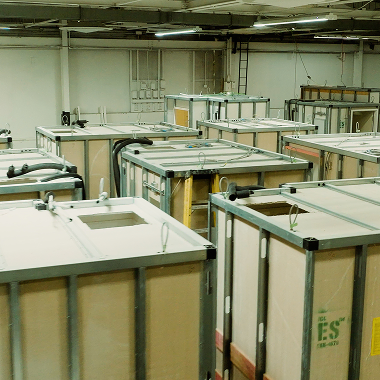
For new projects, modular construction is becoming more common. When restrooms are built as pre-designed units, many ADA-related errors are avoided early. That’s where solutions like Bathsystem USA come in, pre-built systems designed with accessibility already considered.
Common Mistakes to Watch For
Some issues show up again and again:
- Grab bars were installed incorrectly
- Doors that almost meet the width requirements
- Poor signage placement
- Limited turning space
- Ignoring maintenance over time
ADA compliance doesn’t end after installation. Small changes over time can undo it.
Where ADA Compliance Shows Up Differently
Different spaces need slightly different approaches:
- Offices: smooth movement and multiple accessible options
- Restaurants/Retail: tighter layouts, smart use of space
- Hotels: accessible rooms must include matching restrooms
- Healthcare: additional safety and hygiene considerations
- Schools: high traffic, clear signage, durable layouts
Cost: Build Now or Fix Later
Costs vary, but one thing is consistent, it’s usually cheaper to build ADA compliant restrooms correctly from the start than to fix them later.
Long-term benefits include:
- Avoiding penalties
- Better usability
- Higher property value
Modular solutions can also reduce errors and speed up installation.
Where Things Are Headed
A few trends are shaping restroom design:
- More touchless fixtures
- Accessibility is built into standard layouts
- Sustainable materials that are also practical
- Prefabricated designs with ADA compliance built in
What used to be “extra” is quickly becoming standard.
Conclusion: Designing for Real Use
At its core, accessibility is about how a space works in everyday situations.
ADA compliant restrooms don’t just meet regulations, they make spaces easier, safer, and more comfortable for everyone. The earlier accessibility is considered, the fewer compromises are needed later.
For teams working on large or repeat projects, approaches like those from Bathsystem USA help bring consistency, especially when ADA requirements need to be met across multiple sites without variation.
Design with accessibility in mind from the start.
Explore ADA-ready, modular restroom solutions with Bathsystem USA.
FAQs
What makes a restroom ADA compliant?

The restroom needs to satisfy established requirements for its space dimensions and restroom fixtures, and its functional accessibility.
Are ADA compliant restrooms mandatory?
Yes, public areas and commercial spaces need to have these restrooms.
What is the minimum stall size?
The required dimensions need to include a width of 60 inches, together with sufficient space for users to open doors.
Can older restrooms be updated?
Yes, the process needs bathroom layout adjustments and restroom equipment alterations.
ADA compliant vs accessible, what’s the difference?
Accessible is a general idea. ADA compliant means it follows specific rules.

Written By
Riccardo SciontiRicardo Scionti is the CEO of Bath System America (Bathsystem USA), a U.S.-based company built on European engineering and manufacturing expertise. He leads the growth of prefabricated bathroom and kitchen pod solutions across the United States, serving the hospitality, healthcare, and multifamily markets. With more than eight years of experience in the U.S. modular construction industry, Ricardo works closely with architects, developers, and general contractors to ensure every project is executed successfully. Supported by a highly skilled professional team, he is actively involved in every stage of the process, from design coordination to manufacturing and on-site integration—ensuring the highest standards of quality, precision, and speed to market. Through these blogs, Ricardo shares practical insights and real-world expertise to help shape the future of industrialized construction.
Related Blogs


Have a project in mind? We'd love to chat!
We’re redefining how our industrialized construction of modular bathroom pods and kitchen pods is delivered across the nation—with precision, reliability, and innovation built into every project.
Let’s build something exceptional together.